
Task Lighting Adjustable Arm options are now essential in any modern workspace. Whether you work from home or in a studio, these lighting fixtures adapt, reduce strain, and elevate productivity. If you’re searching for a reliable way to illuminate your desk and boost focus, here’s what you need to know.
Key Takeaways
- Task lighting with adjustable arms delivers the focused, flicker-free illumination necessary for eye comfort and flexible workspace setups.
- Choosing fixtures with high-quality LEDs, stable joints, and ergonomic adjustability is crucial to avoid common user headaches.
- Integration with desk organizers and ergonomic chairs can optimize your entire office environment for efficiency and well-being.
- What Is Task Lighting Adjustable Arm & Why It Matters
- Step-by-Step Guide: Choosing & Using the Right Adjustable Arm Task Light
- Advanced Analysis & Common Pitfalls: What Goes Wrong (and How to Dodge It)
- Conclusion
- FAQs
What Is Task Lighting Adjustable Arm & Why It Matters
Task lighting adjustable arm lamps, especially architect desk lamp LED models, are designed for workspaces that demand accuracy and comfort. Their defining features are flexible arms, bright flicker-free LEDs, and ergonomic adjustability. For architects, designers, and anyone spending hours at a desk, these lamps allow you to direct focused light exactly where you need it, minimize shadows, and improve both posture and eye health.
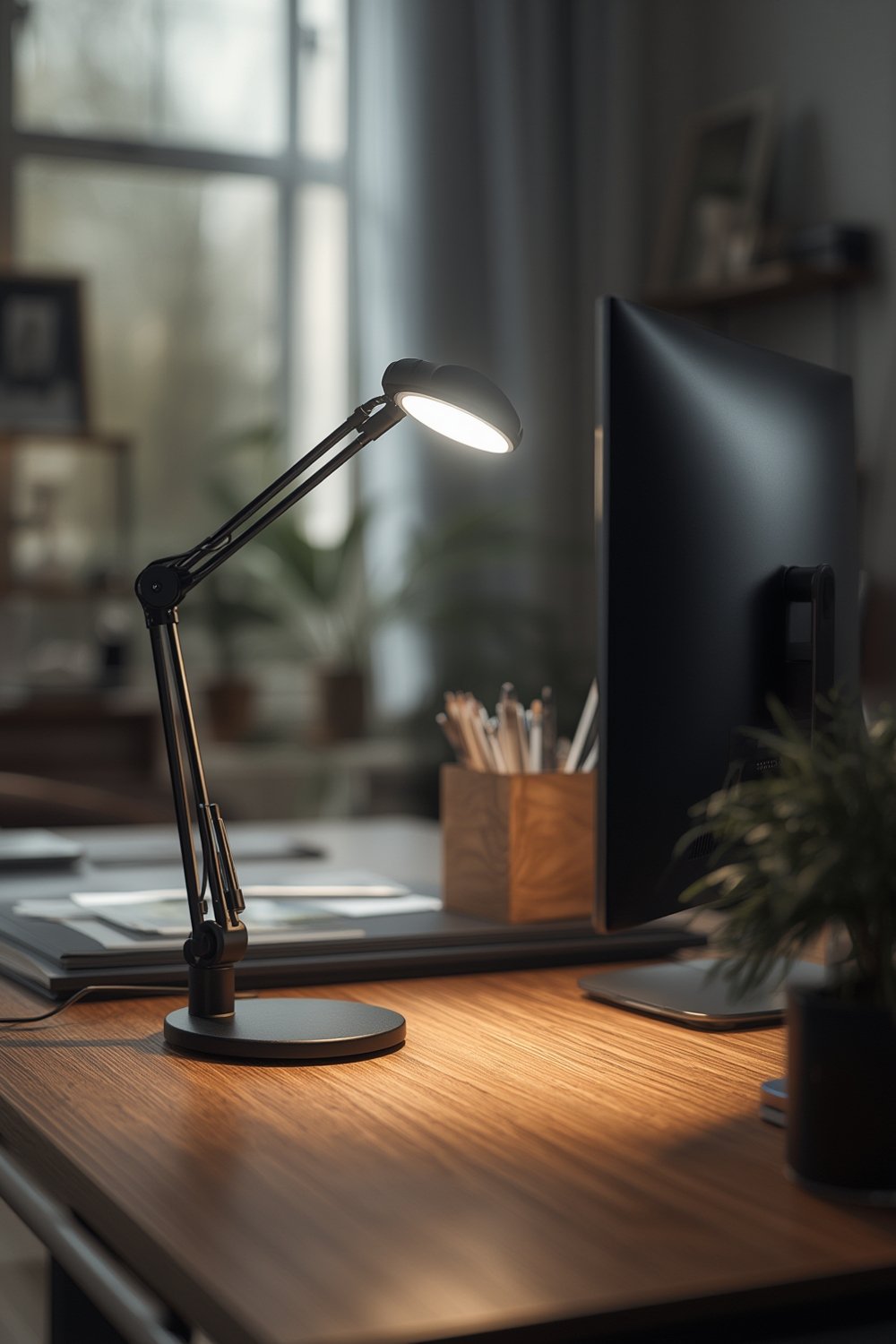
The desk lamp market has surged in 2024, valued at USD 2,100 million and is projected for robust growth due to hybrid work, ergonomic demands, and LED innovations (source). North America leads consumption, driven by home-office setups and a preference for premium aluminum arms that hold position over time.
However, focus isn’t just on being bright. Proper task lighting:
- Prevents eye fatigue and headaches.
- Reduces glare while supporting long working hours.
- Allows precise adjustment for different tasks—from sketching and typing to reading or video calls.
Pairing a quality lamp with a desk organizer or an ergonomic chair can transform the efficiency and comfort level of your workspace.
Step-by-Step Guide: Choosing & Using the Right Adjustable Arm Task Light
Finding an effective task lighting adjustable arm lamp takes more than just picking the brightest model. Here’s how to select, set up, and use your light for best results.
- Assess Your Space
Decide if you need wide coverage (for drafting or twin monitors) or a focused beam. Measure desk depth and thickness for finding suitable clamp or base styles. - Material and Build Quality
Look for options made with aluminum arms and precision joints—these stay stable and last longer than plastic models, particularly if you move the arms often. - LED & Brightness Adjustment
Choose dimmable, high-CRI (90+ preferable) LEDs for truer color and adaptability to different times of day. Lamps with touch controls or app integration offer fast, granular adjustment without hassle. - Lighting Direction & Arm Reach
Check maximum arm extension and joint flexibility. Some models rotate nearly 360 degrees and extend over 30 inches, which is vital for large desks or irregular setups. - User Comfort
Position the light to your side—never straight ahead—to cut shadows and glare. Schedule periodic breaks to change the light’s direction and intensity, which keeps your eyes fresh.
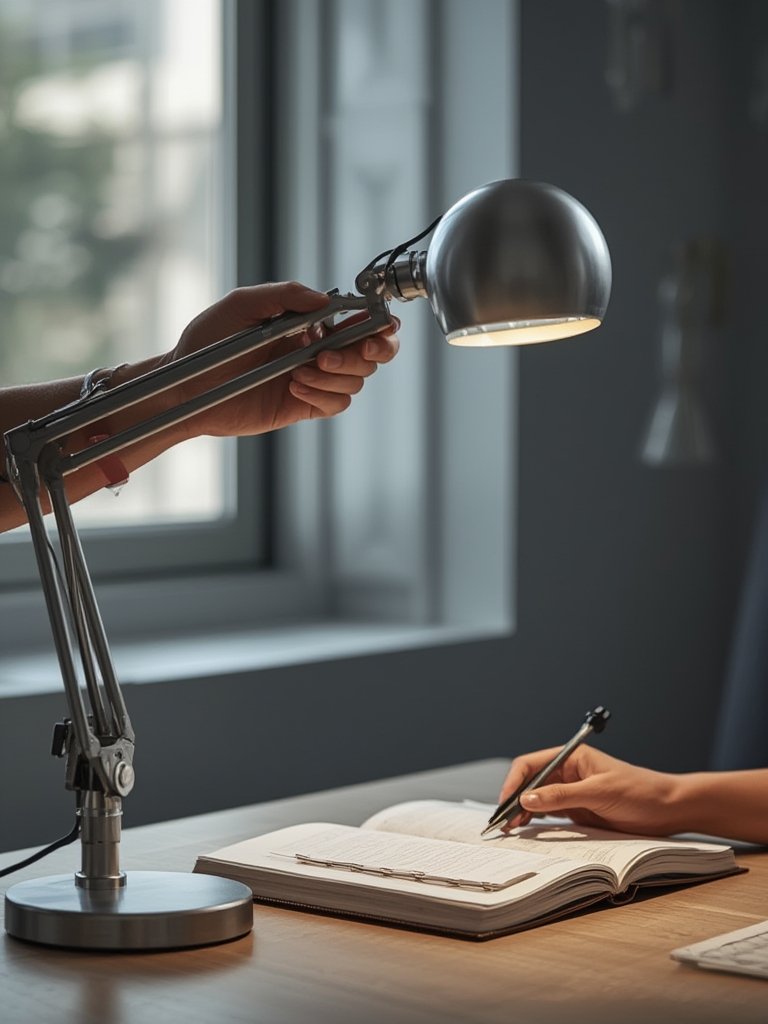
Integration Tip: For the best experience, match your lamp with other workspace essentials like a compact bookshelf or a high-back ergonomic office chair to keep your space tidy and your body supported while working long hours.
Advanced Analysis & Common Pitfalls: What Goes Wrong (and How to Dodge It)
Despite the growing popularity of task lighting adjustable arm lamps, users often face recurring problems. Here’s what to watch out for, with realistic solutions:
- Arm Looseness & Stability: Cheap models often develop floppy arms that won’t hold position after a few months. Always check for all-metal construction and robust springs or tension knobs.
- Flicker & Eye Fatigue: Not every “LED” lamp is truly flicker-free. This is a chief complaint, particularly among those who work under artificial light for 6+ hours. Confirm low-flicker certification and test under phone camera slow-motion to spot hidden flicker.
- Insufficient Adjustability: Some arms have limited rotation or extension, failing to illuminate larger workspaces. Review product measurements and, when in doubt, choose models with 3 or more points of articulation.
- Price vs. Performance: Premium aluminum architect lamps are more expensive but outlast and outperform most plastic or mixed-material options. Consider it an investment—especially if you already use an ergonomic chair for posture support, like the one featured in our complete office chair review.
| Feature | Basic Adjustable Arm Lamp | Premium Architect LED Model |
|---|---|---|
| Material | Plastic/Composite | Aluminum Alloy |
| CRI | 80-85 | 90+ |
| Arm Reach | 15-18 inches | 24-32 inches |
| Flicker-Free | Sometimes | Always |
| Lumens | 300-500 | 700-1200 |
| Dimming Range | Low (maybe 2 levels) | Wide, tunable (10+ levels or app-controlled) |
It’s also worth considering accessories that complement your new lighting setup. For instance, a criss cross chair keeps you comfortable through long sessions. Combined with improved lighting, these changes have an outsized effect on well-being and productivity.

Conclusion
When set up and selected wisely, a Task Lighting Adjustable Arm lamp is one of the best investments you can make for any workspace. Choose flicker-free LEDs, prioritize premium materials for stability, and don’t overlook ergonomic placement. Small upgrades—like pairing lighting with a solid desk and chair—pay for themselves in comfort and output. Ready to upgrade your productivity? Choose your next adjustable arm lamp carefully and transform your desk today.
FAQs
What is the ideal CRI for a task lighting adjustable arm lamp?
A CRI of 90 or above is best for task lighting adjustable arm lamps. This ensures natural, accurate color rendering, crucial for design, art, or detail work.
Do adjustable arm lamps help reduce eye strain?
Yes. When positioned correctly and featuring flicker-free LED technology, adjustable arm lamps significantly cut down glare and eye fatigue, especially during long work hours.
Are there any certifications buyers should look out for?
Look for flicker-free LED claims and compliance with recognized energy-efficiency standards where available. While Energy Star and UL listings are less common, European models may emphasize energy directives.
Is aluminum or plastic better for adjustable arm task lights?
Aluminum is preferred for its stability, durability, and long-term performance. Plastic models may be cheaper but often develop loose arms and cannot support as much weight or frequent adjustment.
Can I use task lighting adjustable arm lamps with smart home setups?
Yes, many modern architect desk lamp LED models offer app or voice control compatibility, letting you adjust brightness or scheduling via your smartphone or assistant.