
Acoustic Panel Sound Dampening is now a crucial component for anyone serious about remote productivity. If you work from home and get distracted easily by noise, understanding how these panels work—and their very real limitations—can save you headaches, lost hours, and money.
Key Takeaways
- Acoustic panel sound dampening improves focus and reduces distractions by up to 51 percent, but requires strategic placement and realistic expectations.
- Not all products solve every sound issue—user complaints often center on exaggerated claims and failure to block low-frequency noise.
- Long-term wellbeing, reduced stress, and better overall satisfaction are scientifically linked to better home office acoustics.
- The Core Concept: What Is Acoustic Panel Sound Dampening and Why Does It Matter?
- Step-by-Step Guide: How to Use Acoustic Panels for Maximum Dampening
- Advanced Analysis & Common Pitfalls
- Conclusion
- FAQ
The Core Concept: What Is Acoustic Panel Sound Dampening and Why Does It Matter?
Acoustic panel sound dampening is the process of using engineered materials to absorb sound energy and reduce echo, reverb, and distracting noise in enclosed spaces. In a home office, this can make the difference between a productive environment and one dominated by distractions, fatigue, and frustration.
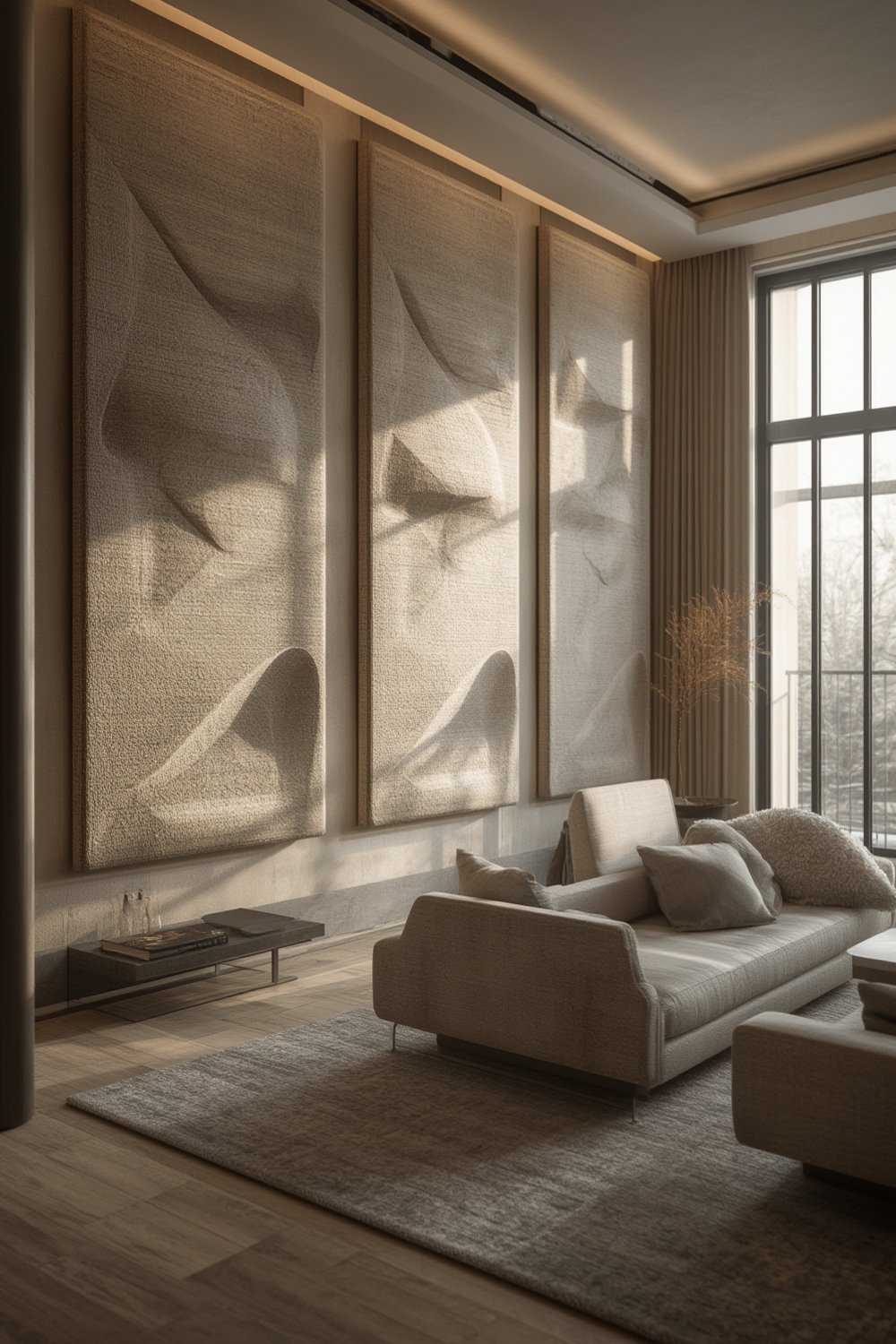
The principle is simple: panels made from dense, porous materials absorb incoming sound waves so less sound bounces around the room. Unlike total soundproofing (which blocks transmission of noise between spaces), sound dampening focuses on improving sound quality within a room by reducing reverberations and mid-to-high frequency distractions.
Recent evidence is compelling:
- Distractions from noise reduce productivity by 66 percent and can waste over 23 minutes per day as you refocus.
- Intentional acoustic treatment (including panels) improves focus and accuracy by 20-30 percent and cuts conversational distractions in half.
For anyone who values concentrated work, meetings, content creation, or video calls, upgrading your acoustic environment is not optional—it’s transformative.
Step-by-Step Guide: How to Use Acoustic Panels for Maximum Dampening
- Assess Your Space: Identify the loudest noise sources and where echo is worst. Corners and flat hard walls are prime offenders.
- Determine Quantity and Placement: Covering as little as 20-30 percent of wall area can yield meaningful improvements, especially if panels are placed at primary reflection points (behind your desk, opposite wall, or above).
- Choose the Right Panel Type: For most home offices, polyester or foam panels (with at least a 0.7 NRC—Noise Reduction Coefficient) are most effective for mid-high frequencies. Bass traps are required if you have lots of low-end noise (like HVAC rumble).
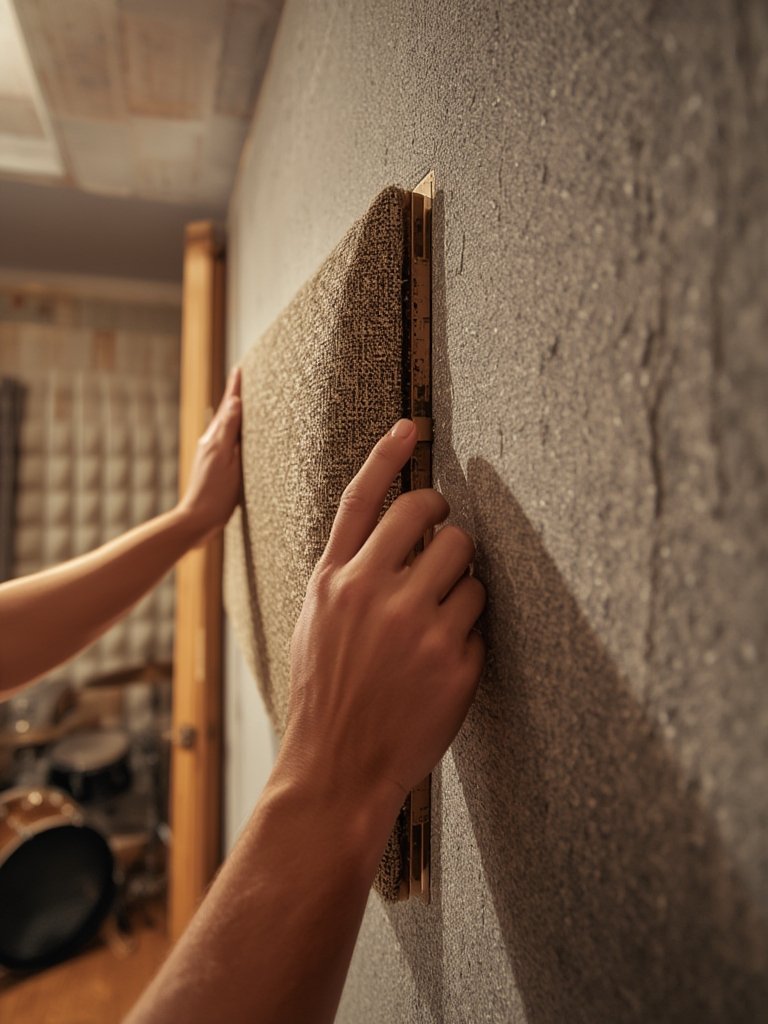
- Install Securely and Safely: Use easy-install strips or hardware that won’t damage your walls. Always follow manufacturer guidelines to avoid accidents.
- Test and Adjust: After installing, do a quick “clap test”—clap once and listen for ringing or echo. Add or move panels as needed. Record short sound samples on your phone before and after for clear comparison.
If you’re reconfiguring your home office layout, consider pairing panels with other productivity upgrades. For example, a folding computer desk or a 4-tier desk organizer can help declutter vertical space, giving you more wall area for optimal panel placement. Investing in ergonomic seating, such as this high-back ergonomic office chair, further boosts comfort and focus in your upgraded acoustic environment.
For content creators or frequent video callers, supplementing panels with a dedicated ring light with tripod can vastly improve both sound and video quality by eliminating visual and audio distractions at once.
Advanced Analysis & Common Pitfalls
While acoustic panel sound dampening dramatically reduces echo and mid-frequency distractions, it’s not a silver bullet. Users frequently complain when products overpromise—especially on blocking outside street noise, HVAC hum, or deep bass (these require heavy-duty solutions or structural isolation).
Current research does not reveal major patterns in negative user reviews for panels themselves, but it is realistic to expect issues like:
- Misplaced panels: Placing panels randomly or not covering primary reflection points yields poor results.
- Poor product selection: Not all panels post an NRC (Noise Reduction Coefficient) and ultra-cheap foam rarely matches real studio-grade absorption.
- Over-reliance: Panels absorb echo, but do not block transmission of loud external noise. Combining with rugs, curtains, and proper sealing is vital.
Below is a realistic comparison based on available specs:
| Panel Type | NRC (Typical) | Main Usage | Downsides |
|---|---|---|---|
| Foam Panels (Generic) | 0.3—0.7 | Reduces echo, absorbs chatter | Little effect on low frequencies, sometimes flammable |
| Polyester Fiber Panels | 0.7—0.95 | Broad-frequency absorption, easy install | May be pricier, varying aesthetics |
| Bass Traps | 0.8—1.1 (at low freq) | Eliminates rumble, ideal for corners | Bulky, best for studios |
Real before-and-after metrics specific to home offices are limited, but overall, improved acoustics are linked to a 27 percent reduction in stress, 10 percent fewer errors, and much higher focus rates.
Integrating acoustic panels into a holistic office setup—including storage with a dedicated bookshelf and supportive office chairs—has a compounding effect on wellbeing and productivity.
Conclusion
For anyone working remotely, investing in Acoustic Panel Sound Dampening is an actionable way to reclaim attention, reduce stress, and lift daily work satisfaction. While no solution is perfect, a strategic combination of wall panels, soft furnishings, and well-chosen furniture is proven to deliver measurable results. Ready to transform your workspace with Acoustic Panel Sound Dampening? Start with a targeted upgrade and fine-tune as you go.
Need more office setup ideas? Explore specialized seating options in our guides on the best ergonomic chairs for home offices and criss cross chair for easy comfort.
FAQ
Do acoustic panels block all types of noise?
No, they absorb echo and mid-high frequency sound within a room. They do not block deep bass, structural vibrations, or loud external noise. For best results, combine with other methods like rugs, sealing gaps, and heavy curtains.
Where should I place acoustic panels for best results?
Focus on wall surfaces behind and opposite your desk, and primary spots where sound reflects or echoes. Corners can benefit from bass traps if you have persistent low-end noise.
What is the typical lifespan of acoustic panels?
Quality foam or polyester panels last 5-10 years under normal conditions. Cheaper foam may deteriorate faster, especially in sunlight or humidity. Inspect annually for damage or sagging.
How much should I expect to spend on a full home office acoustic treatment?
Costs vary widely. DIY foam panel sets start under $50, while high-end polyester or fabric-wrapped panels can cost $100-300 for full coverage of a small office. Professional assessment and installation add to the price but may be worthwhile for complex needs.
Do acoustic panels need maintenance?
Basic cleaning (dusting or vacuuming) keeps them effective but minimal maintenance is required. If panels show signs of mold or sagging, replace them promptly.