### Blog Post:
Air Purifying Office Plants are one of the most recommended upgrades for modern offices seeking cleaner air and a productivity boost, but do they really deliver on all the promises? This guide cuts through the hype with research-backed facts, actionable steps, and practical cautions—without glorifying myths or ignoring downsides. If you’re aiming for a healthier workplace and want realistic results, read on before you buy that next plant.
Key Takeaways
- Real-world research shows air purifying effects from office plants are modest compared to proper ventilation and vary by plant, placement, and environment.
- Plants deliver mental health and productivity benefits, even if their pollution removal is limited in large or open offices.
- Cost, maintenance, and realistic expectations are essential for getting true value from green office upgrades.
- What Are Air Purifying Office Plants and Why Bother?
- Step-by-Step: How to Choose and Optimize Air Purifying Plants for Your Office
- Advanced Analysis & Common Pitfalls
- Conclusion
- Frequently Asked Questions
What Are Air Purifying Office Plants and Why Bother?
Air purifying office plants are popular choices for contemporary workspaces, promoted for their potential to reduce indoor pollutants and enhance well-being. The core idea is simple: certain plants can absorb volatile organic compounds (VOCs) and toxins released by office printers, cleaning supplies, and electronics. They also promise mood lifts and improved aesthetics.
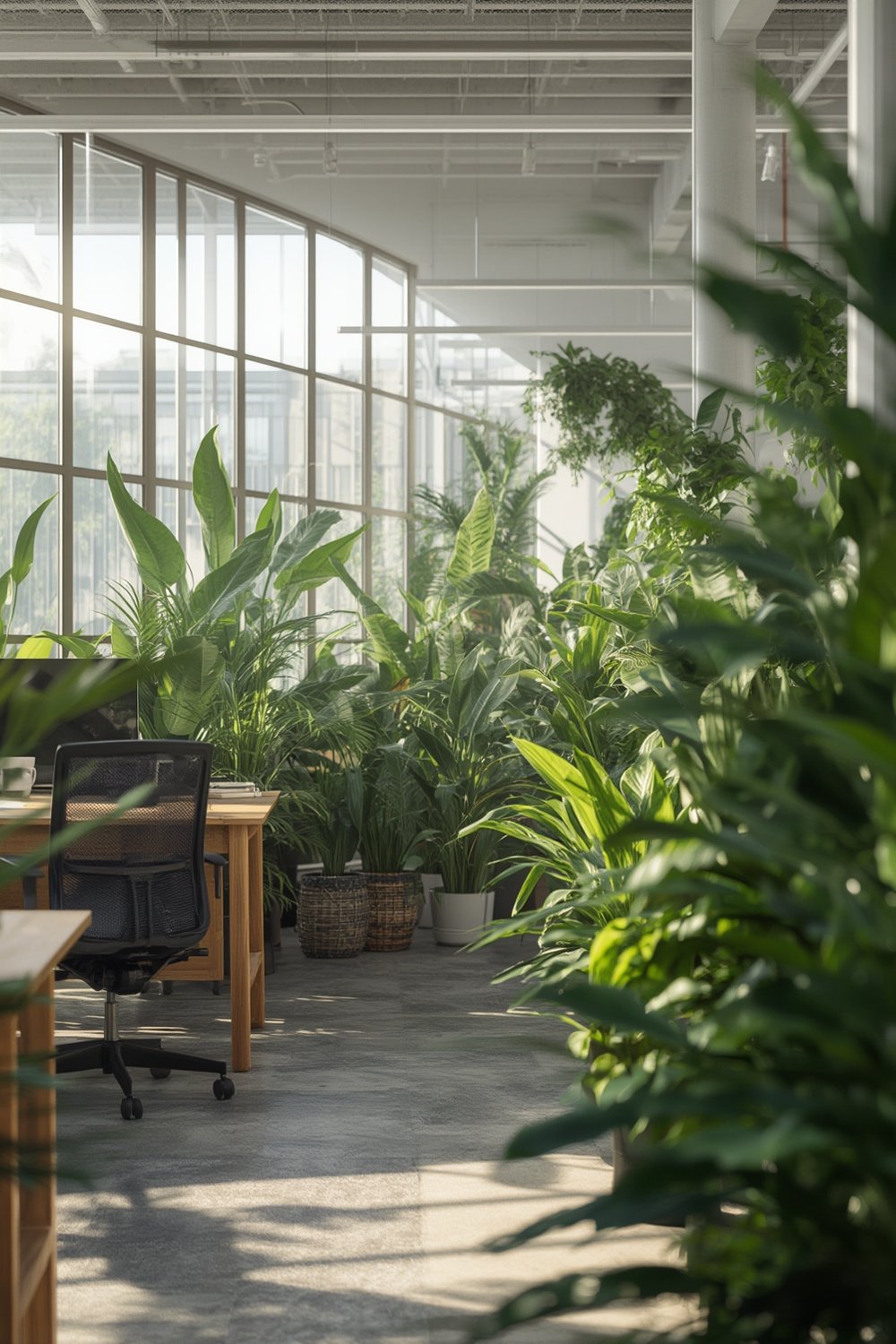
But the science is nuanced. No recent studies (2021-2026) in real-world offices show significant air cleaning with popular plants like snake plant, pothos, or spider plant. Most research was done in small chambers, not actual workspaces. Some laboratory studies (like this one on Ficus benjamina and others) document notable reductions in VOCs, but only at high planting densities (10% of room volume) and over short durations.
What does this mean for your office? Plants can help, but don’t expect miracles. True air cleaning comes from ventilation and source control. However, air purifying office plants shine when it comes to stress reduction, boosted morale, and creating a visually appealing environment. Workers in plant-filled offices report higher satisfaction and even fewer days missed.
Step-by-Step: How to Choose and Optimize Air Purifying Plants for Your Office
The real benefits of air purifying office plants happen when you select wisely and maintain realistically. Here’s your no-nonsense roadmap.
- Assess Your Space and Needs
- Identify common sources of indoor air pollutants (office printers, cleaning supplies, new furniture).
- Estimate available natural light and ventilation. More light = more plant options. Poor light? Stick to low-light tolerant species.
- Choose the Right Easy-Care Plants
- For brighter spaces, consider Ficus benjamina or Aglaonema (lab-tested for VOCs).
- For low light, try classic options like snake plant or pothos, but manage expectations—they haven’t proven significant air cleaning effects outside lab chambers.
- Mix heights and textures for aesthetics and more uniform indoor coverage. Don’t over-cluster; spread them throughout the office.
- Set a Realistic Plant Volume
- Aim for at least 5%-10% of your total office floor space occupied by plant foliage to see measurable—but still moderate—impact (source).
- For small offices, 2–3 medium plants per person is reasonable. In large open spaces, groupings work better than scattered singles, but high volumes are rarely practical.
- Position and Maintain Smarter, Not Harder
- Elevate trailing plants on open shelving to save desk space and boost visibility.
- Choose self-watering pots when possible, but understand no truly groundbreaking innovations for office greenery have hit the market in the last two years.
- Assign weekly watering and quarterly cleaning (wiping leaves, checking for pests) to ensure longevity and prevent health complaints.
- Track the Benefits
- Take a quick weekly survey: ask staff for feedback on mood, satisfaction, and perceived air quality after adding plants.
- Observe absentee rates and productivity. Small changes may signal your green investment is paying off.

Need to keep your workspace clear for plants and productivity? Use a desk organizer to maximize available surfaces and avoid plant clutter. For tight spaces, try compact folding office desks to add greenery without sacrificing workflow.
Advanced Analysis & Common Pitfalls
Popular advice about air purifying office plants usually skips over three major issues: scale, maintenance, and misleading claims.
| Plant Name | Tested Effect (Lab) | Proven Real-World Reduction | Best Traits for Office Use |
|---|---|---|---|
| Ficus benjamina | ↓ Benzene by 22.7 µg/m³, ↓ up to 534.5 µg/m³ VOCs | Not measured in large office; high effect only at 10% planting volume | Improves mood, aesthetic; needs frequent care |
| Pothos / Snake Plant / Spider Plant | NASA: Significant in chambers; no recent real-world data | No evidence for office-scale effect | Easy care, tolerate neglect, thrive in low light |
| Aglaonema, Pachira aquatica | ↓ VOCs in lab (UAE study) | Unknown in actual offices | Colorful, compact, moderate maintenance |
- Common Pitfall: Expecting snake plant or pothos to dramatically clean air. In practice, office ventilation overshadows any effect unless you fill 10%+ of the office with plants, which is rarely feasible—see the American Lung Association’s analysis.
- Care Neglect: Most employee complaints relate to wilting, pest infestations, and gnats linked to overwatering—yet concrete stats on survival and satisfaction in offices are lacking.
- Cost Uncertainties: There’s no authoritative 2024 data for plant pricing, annual maintenance, or realistic replacement rates for different office sizes.
- Mental Health Effects: While improved productivity, creativity, and lower stress are well documented, they’re often undervalued. Employees working with plants report missing fewer days and feeling more positive overall.
- Innovation Gaps: Don’t wait for new tech—no notable innovations like smart pots or hybrid air cleaning tools for offices have debuted in recent years. Rely on proven manual routines instead.
Conclusion
Air purifying office plants offer undeniable psychological perks: reduced stress, improved focus, and greater workplace satisfaction. Their air cleaning impact is modest in most offices—choose them for the people, not the pollution. If you want maximized returns, combine a smart mix of low-maintenance and visually appealing plants with a consistent care routine, and realistic expectations. Start small, observe the effects, and scale thoughtfully. Ready to transform your workspace? Add one or two Air Purifying Office Plants this week and track the difference—they might not scrub every VOC, but they can certainly breathe new life into your 9-5. For best results, pair with a comfortable ergonomic chair and a tidy desk organizer.
Frequently Asked Questions
Do air purifying office plants really clean indoor air?
They do absorb some volatile organic compounds (VOCs) and convert CO₂ to oxygen, but their real-world pollution removal is much less impactful than good ventilation. The main office benefit is psychological well-being and aesthetics.
What are the easiest office plants to care for?
Pothos, snake plant, and spider plant are popular low-maintenance choices. They tolerate low light and irregular watering, making them ideal for busy or forgetful environments.
How many plants do I need for air quality improvement?
Lab studies suggest you’d need plants covering 5–10% of your office’s floor area to see significant VOC reductions. Practically, a few plants per desk improve mood more than air quality.
What’s the best way to maintain plants in an office?
Assign responsibility on a rotating basis, use self-watering pots when available, and keep plants near natural light and away from direct drafts. Wipe leaves monthly to prevent dust buildup.
Can office plants cause allergies or pests?
Yes, overwatering can attract gnats, while dusty or moldy soil may trigger sensitivities. Choosing the right potting mix and enforcing routine care help minimize these issues.