
Biophilic Home Office Design is transforming the modern workspace—bringing real greenery, fresh air, and natural materials into your daily routine for better focus and a calming environment. But how do you make it work at home, and what should you watch out for?
Key Takeaways
- Biophilic Home Office Design can enhance concentration and workspace satisfaction, but requires realistic planning and maintenance commitment.
- Living wall systems start around $1,500 for small DIY setups, but ongoing costs and practical issues like lighting and upkeep are significant.
- Common pitfalls include improper irrigation, costly mistakes with DIY kits, and underestimating the maintenance needed to keep plants thriving.
- What is Biophilic Home Office Design?
- Step-by-Step Guide to Biophilic Office Design
- Advanced Analysis & Common Pitfalls
- Conclusion
- Frequently Asked Questions
What is Biophilic Home Office Design?
Biophilic Home Office Design centers on bringing the restorative qualities of nature into your workspace. That means integrating living plants, maximizing sunlight, using organic materials, and creating a space that soothes rather than stimulates. The core idea is simple: humans thrive in natural environments, not sterile boxes. Adopting biophilia in your home office can help you stay calmer, focus longer, and feel less isolated during work hours—if you execute it thoughtfully.
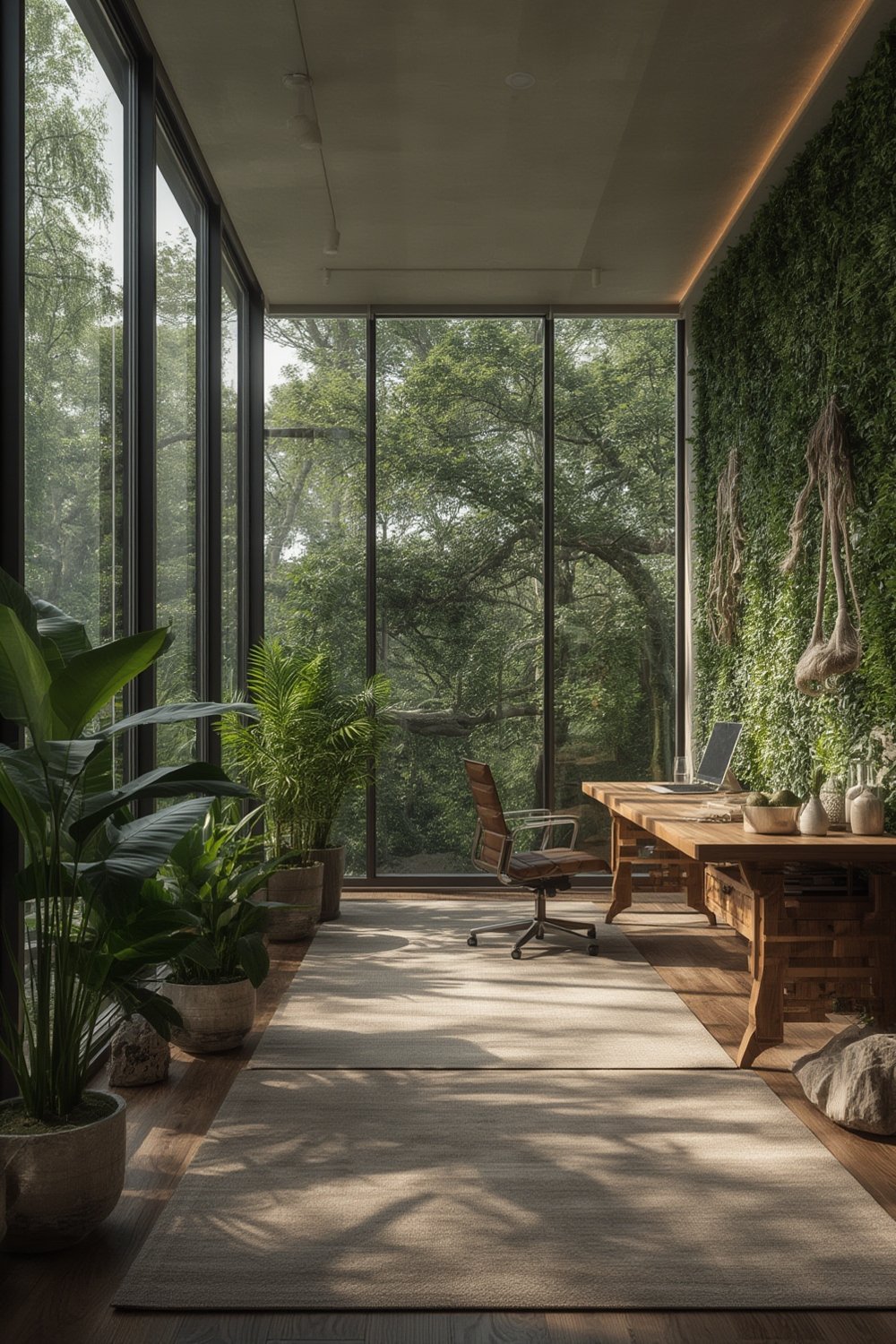
Step-by-Step Guide to Biophilic Office Design
Ready to upgrade your home office? These steps break down what you need for a successful biophilic office transformation, from small tweaks to installing a living wall for dramatic effect.
- Assess Your Space and Natural Light
- Start by mapping out where natural light enters. South or east-facing windows are ideal for most indoor plants. For darker spaces, consider artificial grow lights or plant-friendly LED options (example).
- Decide how much space you can dedicate to biophilic elements—a whole wall, a corner nook, or your desk?
- Choose the Right Biophilic Elements
- Start with potted plants such as pothos, snake plants, or peace lilies for desk and shelf areas.
- For a bold impact, consider a living wall (also called green wall) system. DIY kits work for small spaces, but professional installs are recommended for durability and automation.
- Natural wood furniture, like a space-saving folding computer desk, enhances aesthetics while keeping a nature-inspired feel.
- Budget Realistically for Living Walls
- Small DIY green wall kits start at $300–$800 per square meter (see example kits), but you’ll need to buy plants separately and handle irrigation systems yourself.
- Professional installations with full structure, irrigation, and plants can run $800–$1,500 per square meter—most home offices budget ~$1,500 for a modest feature wall, and larger ones cost upward of $5,000.
- Expect ongoing maintenance cost: $200–$2,000 per month depending on size and complexity.
- Installation: DIY vs Professional
- DIY kits require drilling, mounting, and sourcing appropriate irrigation systems to prevent water damage. If you’re not confident, hire a professional—mistakes are costly.
- Add a protective tray or liner beneath green walls and always consult with a local expert before starting structural changes.
- Organize, Accessorize, and Maintain
- Use a sturdy desk organizer to keep tools, pens, and office supplies tidy alongside your green display.
- Supplement with nature-inspired décor: stone coasters, linen textiles, or a three-tier bookcase for visual harmony.
- Plan a maintenance schedule: fertilization every two weeks, regular pruning, plant rotation, and irrigation system checks.
Advanced Analysis & Common Pitfalls
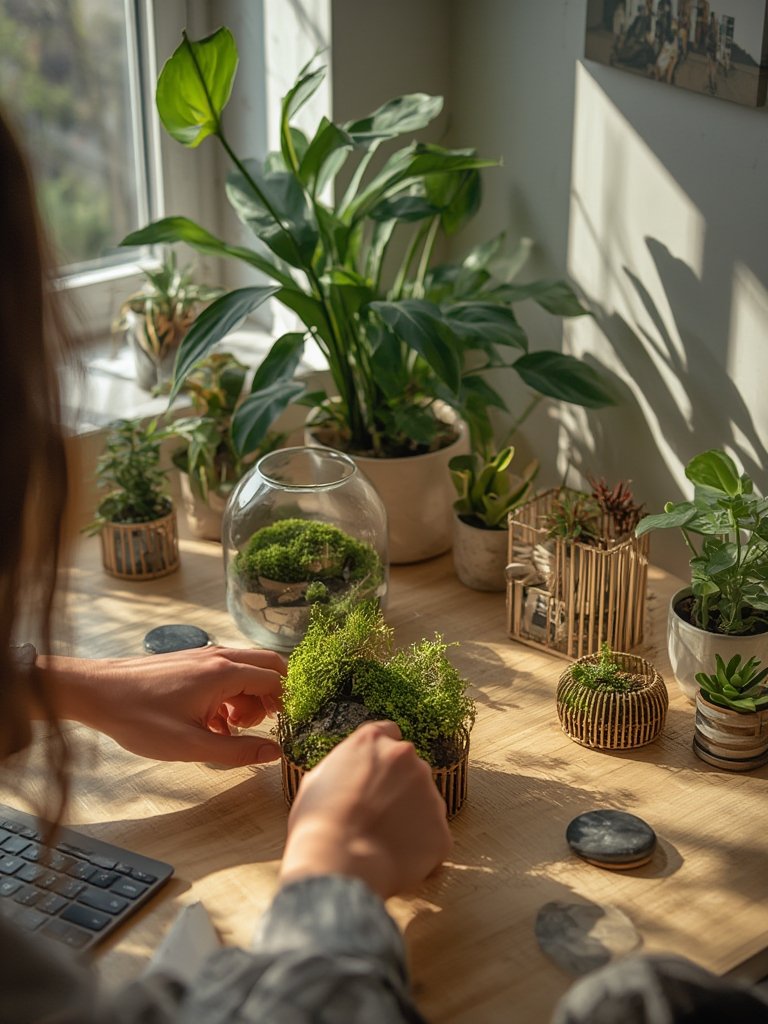
Biophilic home offices sound attractive, but the reality can be messier than magazine photos suggest. Learn from common mistakes and cost traps before committing your time—and cash.
| Common Pitfall | DIY Approach | Pro Installation |
|---|---|---|
| Upfront Costs | $300–$800 per sq. meter (excluding plants, basic irrigation) | $800–$1,500 per sq. meter (all inclusive, structured design) |
| Maintenance Hassles | Manual watering, higher risk of over/under-watering, frequent repairs. Lifespan: 2–3 years if not maintained. | Automated irrigation, longer lifespan (10+ years), but requires monthly professional checkups. |
| Lighting Requirements | Must buy and position dedicated grow lights if room is dim. Missed light shortens plant lifespan significantly. | Integrated lighting with pro system, but adds to total cost. |
| Water Damage | Risk of leaks and mold if not sealed/installed correctly. | Professionals typically install water protection and robust drainage. |
| Pest & Mold Issues | Common with overwatering or improper drainage. Can spread to nearby shelves or equipment. | Pest control advice included, but issues still possible if ignored. |
| Access for Upkeep | Challenging for tall walls—ladders or moving furniture is needed. | Maintenance visits include all tools, but raise cost. |
- DIY Shortcomings: Many users underestimate the required expertise: errors in irrigation and drainage can lead to plant death, peeling paint, or even costly water leaks.
- Maintenance Overload: Living walls need consistent, skilled care. Skipping fertilization or pruning quickly turns a lush wall into a patchy, unattractive mess.
- Workspace Disruptions: Poorly planned locations can interfere with natural light, clutter desk space, and increase humidity, creating discomfort during long work days.
- Professional vs DIY: While DIY is cheaper up front, professional green walls almost always outlast and outperform DIY setups. Customization, built-in lights, and robust irrigation can justify the cost in the long run.
If you want a flexible, non-committal way to introduce nature, use moveable planters or moss panels instead. Preserved moss walls require minimal upkeep and offer green aesthetics without complex maintenance.
Conclusion
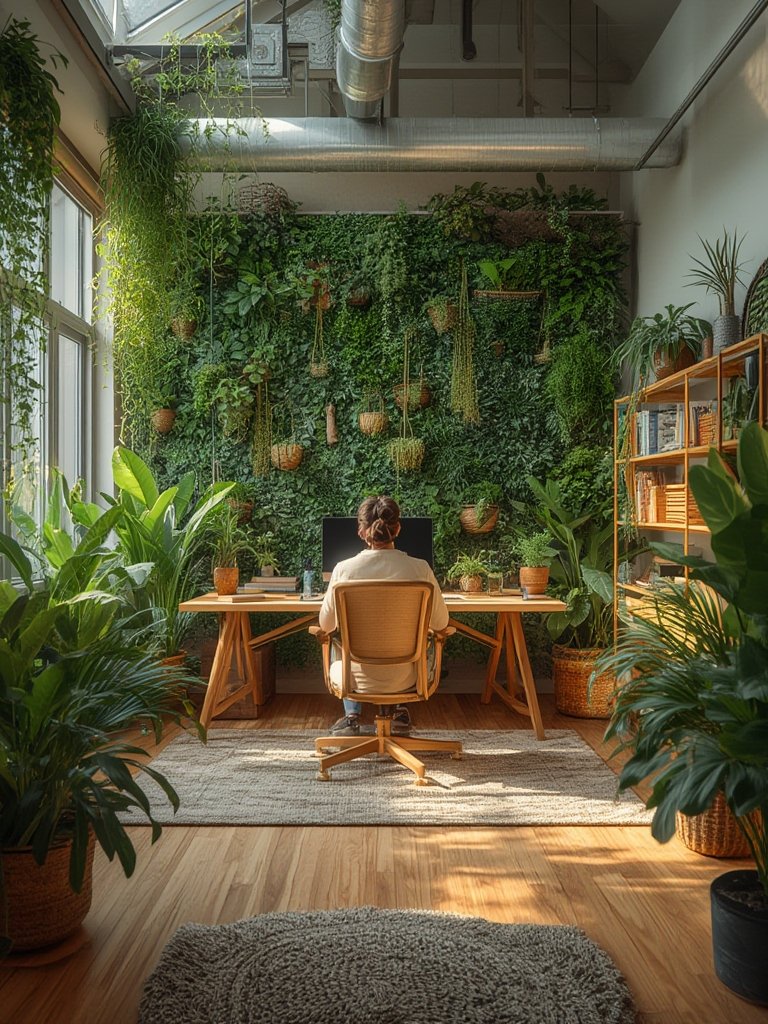
Biophilic Home Office Design brings real benefits to your workspace—if you plan wisely, budget realistically, and choose maintenance approaches you can sustain. A simple collection of potted plants or a full-scale living wall both add calm to your daily grind, but each comes with challenges. With solid preparation, you can create a productive home office that truly feels alive and rewarding.
Ready to enhance your home workspace? Pick a small project to start—or go big with a green feature wall. Share your progress, and let your Biophilic Home Office Design become your creative edge.
Frequently Asked Questions
What is the typical cost for a small living wall in a home office?
Expect to pay around $1,500 for a small DIY living wall, or $5,000+ for larger, professional installations. Maintenance costs add up, averaging $200–$500 per month for most home setups.
Are there low-maintenance alternatives to living walls?
Yes, preserved moss walls and hardy potted plants require less maintenance. These options provide greenery and visual interest with little ongoing effort.
What are the biggest challenges with indoor plant walls?
The biggest challenges are keeping up with watering and fertilization, providing enough light, and preventing water damage to your home office walls and floors.
How do I keep my home office organized after adding plants?
Use smart storage solutions like a desk organizer or a compact shelving unit. Keep plant care tools and supplies out of sight for a clutter-free workspace.
Do biophilic designs really help with productivity?
While recent scientific studies are limited, many users report improved mood and focus in nature-inspired spaces. Well-designed biophilic offices often feel brighter, calmer, and less stressful.