
### Blog Post:
Electric Standing Desk Smart workstations are transforming the modern office by combining motorized height adjustment with app-controlled AI posture tracking for healthier and more productive workdays.
Key Takeaways
- Electric standing desk smart products now offer integrated AI posture tracking, reducing sedentary behavior and improving wellness at work.
- Market growth is strongest in North America and Asia-Pacific, yet user pain points and reliability data remain underreported.
- Smart desk buyers should look beyond hype and evaluate privacy, durability, and true health benefits before investing.
The Core Concept
An electric standing desk smart system is a height-adjustable workstation powered by silent motors, connected to apps or Bluetooth, and augmented with AI posture monitoring. These desks automatically collect usage data, offer customized sit-stand reminders, and use computer vision or motion sensors to track posture and movement habits. The primary goal is to decrease time spent sitting, help users develop correct ergonomic habits, and contribute to long-term wellness and efficiency.
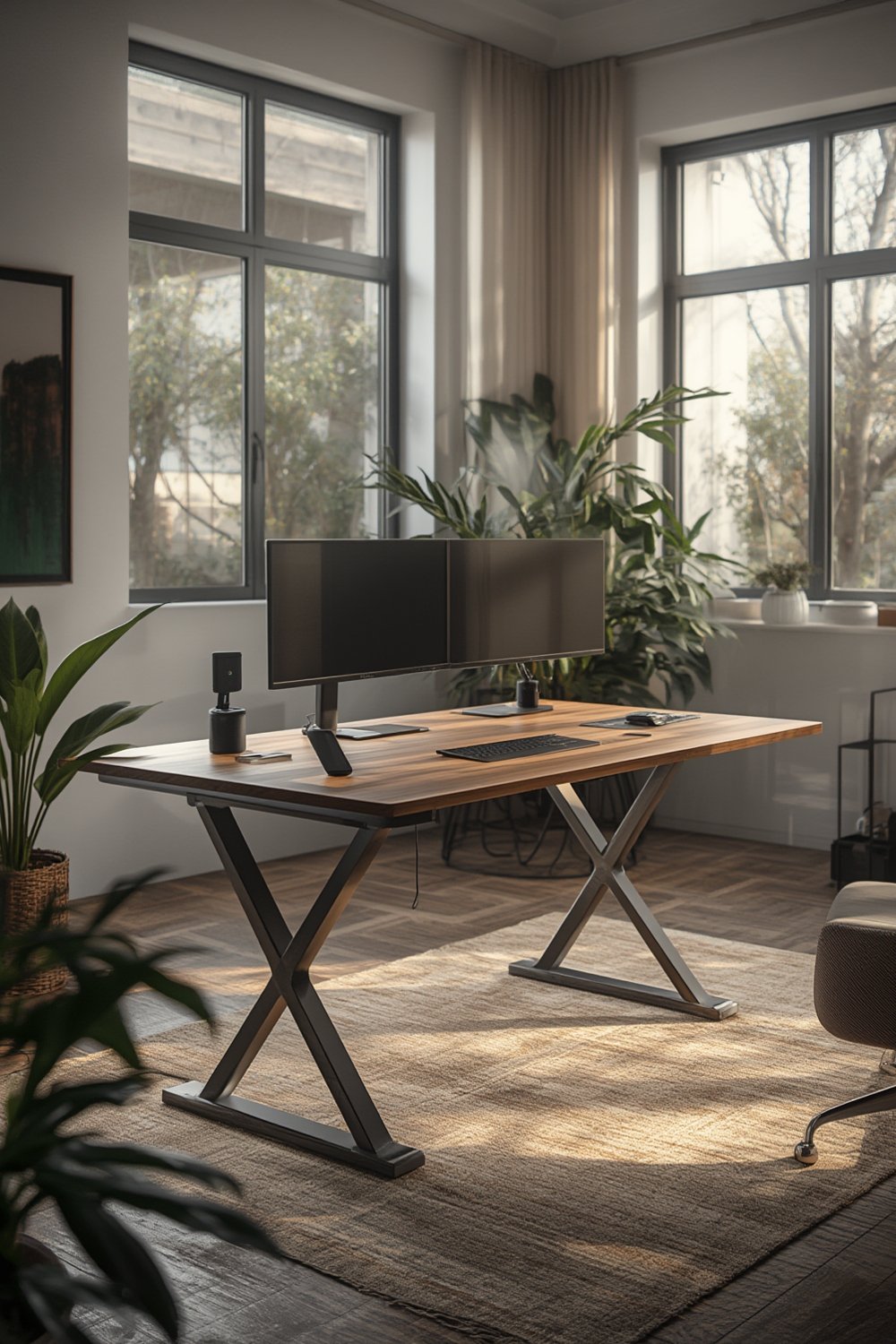
While traditional standing desks encourage changing positions, modern smart desks offer real-time feedback and even interface with platforms such as Apple Health or Fitbit. According to recent studies, smart electric desks now command a leading share in new installations, particularly in large North American corporations and Asia-Pacific IT-BPO sectors.
As innovations like AI-driven posture correction, IoT automation, and automated reminders become common, electric standing desk smart solutions are rapidly becoming the new standard in hybrid offices and home workspaces.
Looking for extra workspace organization? Pair your smart workstation with a desk organizer with drawer to keep your essential office supplies at your fingertips.
Step-by-Step Guide
Transitioning to an electric standing desk smart model with app control and AI posture tracking can feel daunting at first, but following a systematic approach ensures maximum benefit and smooth integration into your daily workflow.
- Choose the Right Model: Consider space, noise level, and app compatibility. For small home offices, a folding computer desk could complement your setup if you need portability in addition to a full electric smart desk.
- Prepare the Installation Area: Ensure stable flooring and nearby electrical outlets. Remove clutter, and organize with smart open storage shelves to keep cables accessible but tidy.
- Assembly & Motor Test: Assemble the desk following the manufacturer’s step-by-step guide. Test motor up/down movement, ensuring smooth, quiet operation. Problems here could signal long-term durability concerns, so address noise or hesitancy immediately.
- Calibrate AI Sensors: Use the manufacturer’s app or PC interface to calibrate posture cameras or movement sensors according to your height and chair type. Accurate calibration is key for effective posture reminders and analytics.
- Sync with Health or Calendar Apps: Many smart desks interface with services such as Apple Health, Google Fit, or even Outlook. Take advantage by linking your work hours and receive reminders before meetings, not during them.
- Customize Reminders & Presets: Set up automated notifications for standing intervals, stretch suggestions, or break reminders. Use programmable presets so transitions are comfortable and consistent.
- Track & Adjust: Review weekly analytics for sedentary time, posture scores, and movement frequency. Tweak your routines based on feedback to improve wellness and productivity.
- Address Ergonomics: Adjust monitor height and lighting. Consider task-specific tools—like a LED ring light for video calls—to prevent eye and neck strain.
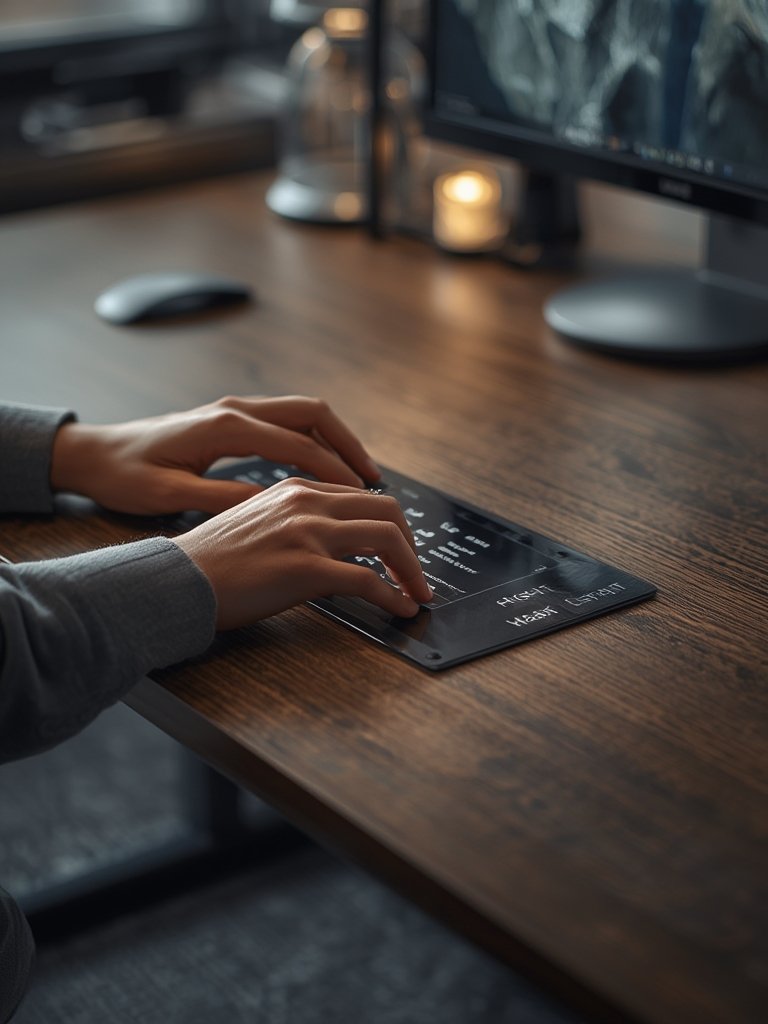
Remember, the right workflow is highly individual. Experiment with sit/stand cycles until you find an optimum rhythm for energy and focus, using your electric standing desk smart workstation as a feedback tool—rather than a rigid scheduler.
Advanced Analysis & Common Pitfalls
Electric standing desk smart products promise improved health and higher productivity, but there are several commonly overlooked risks and real-world limitations. Below, we break down potential pitfalls and the most realistic issues users might encounter, based on current research and lack of verifiable long-term data.
Common Pitfalls to Watch Out For
- Durability Doubts: Many new models use sensitive AI sensors and Bluetooth modules. The long-term failure rates of these components are not well documented. Heavy corporate users or shared workspaces may accelerate wear and lead to costly repairs.
- Limited User Research: AI posture tracking accuracy can vary drastically across heights, body types, or mobility challenges. Corporate pilot studies typically focus on able-bodied users, so real-life benefits may not extend equally to everyone.
- Data Privacy Risks: Desks that capture movement and send data to health or workplace apps raise significant questions about user consent, data sharing, and potential surveillance.
- App Instability: Some software platforms may become unsupported or may not update for emerging mobile devices. Relying on app features could result in lost controls if the company discontinues support.
- Pricing Ambiguity: There is little published price data for smart desks with integrated AI features. This makes comparing value among brands and models difficult for consumers focused on ROI.
Electric Smart Desk: Feature Comparison Overview
| Feature | Typical Standard Electric Desk | Electric Standing Desk Smart (AI) |
|---|---|---|
| Height Adjustment | Manual or Simple Electric Controls | App-Based, Bluetooth, Presets |
| Posture Tracking | None | AI Powered, Real-Time Feedback |
| Health Syncing | No Integration | Health/Fitness App Integrations |
| Ergonomic Data | Not Tracked | Weekly Analytics & Tips |
| User Studies | Basic Satisfaction Reports | Lowered Sedentary Time (up to 32%), Corporate Pilots |
| Privacy/Security | Minimal Concerns | Potential Risks Not Fully Addressed |
If you value additional storage or a personalized, modular workspace, consider pairing your smart desk with a stylish bookshelf for home office organization. This combination supports optimal workflow and reduces clutter around sensitive sensors.

Conclusion
Electric standing desk smart solutions with AI posture tracking deliver a genuine opportunity to improve office wellness, provided buyers consider reliability, long-term support, and data privacy before investing. Innovations such as app timing and predictive reminders make the workflow more natural, but significant questions about sensor durability, accessibility, and price transparency remain—not all desks or users will benefit equally. Use your electric standing desk smart system as a flexible tool for healthy working habits, and always evaluate both practicality and privacy before committing.
Ready to take the next step? Evaluate your workspace and explore the benefits and limitations of smart posture-tracking desks to build a setup that boosts both your productivity and health.
FAQ Section
Does the AI posture tracking work for all body types and heights?
AI-based posture tracking is most accurate when calibrated correctly. However, user studies mainly focus on average adult users in corporate settings, so accuracy may be lower for children, very tall or short people, or those with mobility challenges.
How much maintenance does an electric standing desk smart model require?
Basic maintenance involves keeping sensors dust-free and updating the app’s firmware. Motorized and electronic parts are durable but may need servicing if subject to heavy daily use or in environments with lots of dust or vibration.
Are there privacy concerns with AI posture tracking and app syncing?
Yes. Data from posture sensors and desk usage can be synced to health apps or enterprise systems. It’s important to review privacy policies and control data sharing within the app settings for maximum protection.
What’s the average cost of an electric standing desk smart workstation?
There is no published average cost for desks with integrated AI and advanced Bluetooth or app controls. Smart desks are generally more expensive than standard electric desks, especially those with advanced sensors and analytics features.
Can I add AI posture tracking to my current electric desk?
Some third-party accessory manufacturers offer posture tracking sensors or under-desk modules compatible with basic electric standing desks, but integration and support vary. Full-featured systems are still mostly integrated at the factory level.
—