
### Blog Post:
Ergonomic Kneeling Chair design is quickly gaining attention as a solution for those seeking improved posture and reduced back pain at work. If you want to understand what makes this chair different, and whether it is right for your workspace, this practical guide will cut through the hype and help you make an informed decision.
Key Takeaways
- Ergonomic kneeling chairs may encourage better spinal alignment and are endorsed for use with chronic back pain or posture issues.
- Despite booming global adoption, there is limited direct scientific evidence comparing their effectiveness to traditional office chairs.
- Correct usage, workstation adjustments, and expectation management are crucial to avoid discomfort or disappointment.
- What Is an Ergonomic Kneeling Chair? The Science & Rationale
- How to Use an Ergonomic Kneeling Chair: Step-by-Step
- Advanced Analysis & Common Pitfalls
- Conclusion
- FAQ
What Is an Ergonomic Kneeling Chair? The Science & Rationale
An ergonomic kneeling chair is a specialized seat designed to encourage a more upright spine, distribute weight between your hips and shins, and promote what’s known as “active sitting.” Unlike standard office chairs, it tilts your pelvis slightly forward to reduce lumbar pressure, supporting a posture that can make long sits less fatiguing.

This type of chair is seeing rapid global adoption, with market values soaring between USD 104.7 million and USD 420 million as office wellness initiatives expand. North America leads with corporate wellness programs and remote work, while Europe and Asia Pacific markets are propelled by urbanization and increased ergonomic awareness (source).
Medical professionals often recommend kneeling chairs for people with chronic back pain, scoliosis, or posture concerns. While the term “active sitting” appears promising, it’s important to note that clinical evidence specifically comparing ergonomic kneeling chair outcomes to regular chairs is currently anecdotal. The boom in sales is more driven by perceived health benefits and expert endorsements than by robust published trials.
If you are looking for a complementary productivity boost, consider organizing your workspace with the Kitsure Desk Organizer for easy access to daily office essentials.
How to Use an Ergonomic Kneeling Chair: Step-by-Step
Switching to an ergonomic kneeling chair isn’t just about swapping seats—you need to adjust your approach to sitting. Here’s how to do it the right way for maximum benefit:
- Adjust the chair for your height and build. If your model allows, set the seat angle so your hips are slightly above your knees. Your shins (not your knees) should rest on the lower pads, bearing some weight to prevent sliding forward.
- Set your desk to the appropriate height.
- Monitor your posture. Keep your back naturally straight and shoulders relaxed. Avoid slouching or hunching as you work. Take breaks every 30–45 minutes to stand, stretch, or walk around.
- Transition gradually. Do not sit all day in a kneeling chair at first. Listen to your body—alternate with a standard ergonomic office chair such as this affordable ergonomic chair for prolonged sessions.
- Ensure your feet are not dangling. Occasionally rest your feet flat on the floor to shift position. Small micro-movements enhance comfort and circulation.
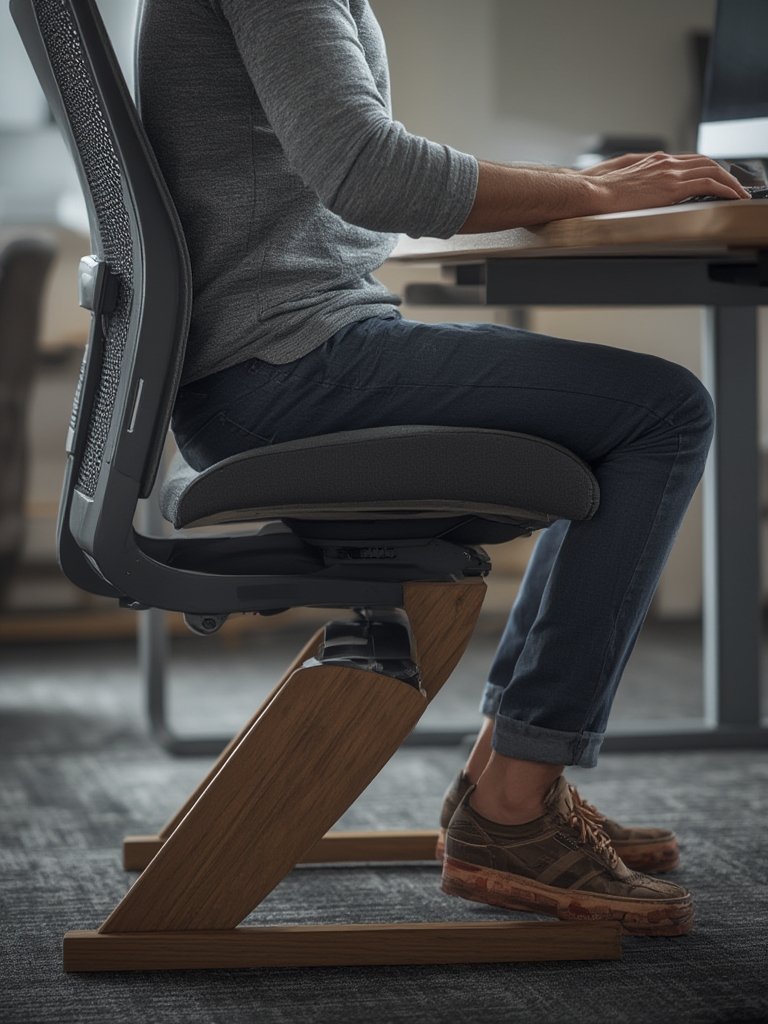
As you get more comfortable with a kneeling chair, consider integrating other ergonomic upgrades. You might pair it with proper desk lighting, such as a ring light for optimal screen visibility and reduced eye strain, or an ergonomic mesh office chair for alternating seating styles. Each element plays a key role in all-day comfort and workplace health.
Advanced Analysis & Common Pitfalls
While ergonomic kneeling chairs offer clear benefits for spinal posture and are frequently recommended by health professionals for back pain sufferers, they are not without challenges or limitations. Here’s what most guides don’t tell you:
- No direct scientific comparison: Claims regarding reduced back pain or superior posture improvements rest on anecdotal reports and sales trends—not clinical studies.
- Potential discomfort: Kneeling chairs can feel awkward or tire leg muscles, especially with improper adjustment or extended static use.
- Desk compatibility issues: Most kneeling chairs are not height-adjustable enough for all desks. Some desks may be too low or simply incompatible, causing arm fatigue or wrist strain.
- No “one-size-fits all” solution: Kneeling chairs are not ideal for everyone, especially people with certain knee or circulation issues.
- Missing technical data: Popular models vary, but public data on adjustability, weight limits, and measurements is lacking—making direct comparisons difficult.
| Feature | Standard Office Chair | Ergonomic Kneeling Chair |
|---|---|---|
| Posture Support | Lumbar support, encourages upright posture | Promotes open hip angle and upright spine, no lumbar support |
| Comfort Duration | All-day comfort for most users | Comfort varies, often best for short periods or with breaks |
| Body Type Fit | Wide range supported | May not suit those with knee injuries or circulation issues |
| Desk Compatibility | Compatible with most desks | Requires higher/adjustable desks, can be limiting |
Want multiple seating options to switch things up? Check out the Criss Cross Chair for cross-legged sitting comfort or a compact mesh office chair ideal for tight spaces and variety.
Conclusion
An ergonomic kneeling chair could transform your workstation if you’re seeking to improve posture or combat back discomfort, especially with endorsement from healthcare professionals. However, expectation management is key: there’s little direct scientific data confirming its superiority, and incorrect use can cause leg fatigue or workstation issues.
If you want to try an Ergonomic Kneeling Chair, start slowly, adjust both your chair and desk, and alternate with traditional seating for best results. If you’re ready to prioritize your comfort and posture, now is an ideal time to give this seating option a fair trial.
Curious about more ergonomic workspace solutions? Browse our reviews of gaming chairs, or find the best ergonomic office chairs for every style and need!
FAQ
Can anyone use an ergonomic kneeling chair all day?
No. Most people need to alternate with other seating to avoid leg fatigue and circulation issues. Start with short sessions and increase gradually.
Do kneeling chairs actually reduce back pain?
Some users and health professionals report improvement, especially for posture-related pain, but there are no robust clinical trials proving superior pain relief over regular ergonomic chairs.
Are ergonomic kneeling chairs suitable for people with knee problems?
No. If you have knee injuries or circulation concerns, speak with a health provider before using a kneeling chair.
What’s the difference between a kneeling chair and other ergonomic chairs?
Kneeling chairs promote a forward tilt and shin support, while most ergonomic chairs rely on lumbar support, headrests, and adjustable armrests for comfort.
Can I use a kneeling chair with any desk?
Not always. These chairs often require a higher desk or adjustable height. Check desk compatibility before purchasing.