
ergonomic office chair lumbar is the foundation of prolonged sitting comfort and healthy posture for both remote and office workers. If you spend long hours at a desk, investing in the right chair can have a measurable impact on your spine, productivity, and daily comfort. Let’s dig into what actually matters, the latest research-backed insights, and actionable recommendations for choosing an office chair with the best lumbar support for your needs.
Key Takeaways
- The global market for ergonomic office chairs with mesh and lumbar support is growing rapidly, but many guides ignore user complaints, pricing, and warranty data.
- Proper fit, customization, and real-world adjustability make far more difference to spinal health than just “lumbar support” marketing claims.
- Advanced research shows quantifiable gaps in user feedback, technical specs, and evidence-based health outcomes. Know what to look for (and where to dig deeper).
- 1. Understanding Ergonomic Office Chair Lumbar Support
- 2. How to Choose and Set Up an Ergonomic Office Chair with Lumbar
- 3. Advanced Analysis & Common Pitfalls
- 4. Conclusion
- 5. Frequently Asked Questions
Understanding Ergonomic Office Chair Lumbar Support
At its core, ergonomic office chair lumbar support is about keeping your lower back—specifically the lumbar spine—properly aligned during hours of sitting. It’s not just about comfort; it’s about reducing fatigue, pain, and long-term spinal issues. The best high back mesh office chairs offer tailored lumbar support that adapts to your body’s unique curve.
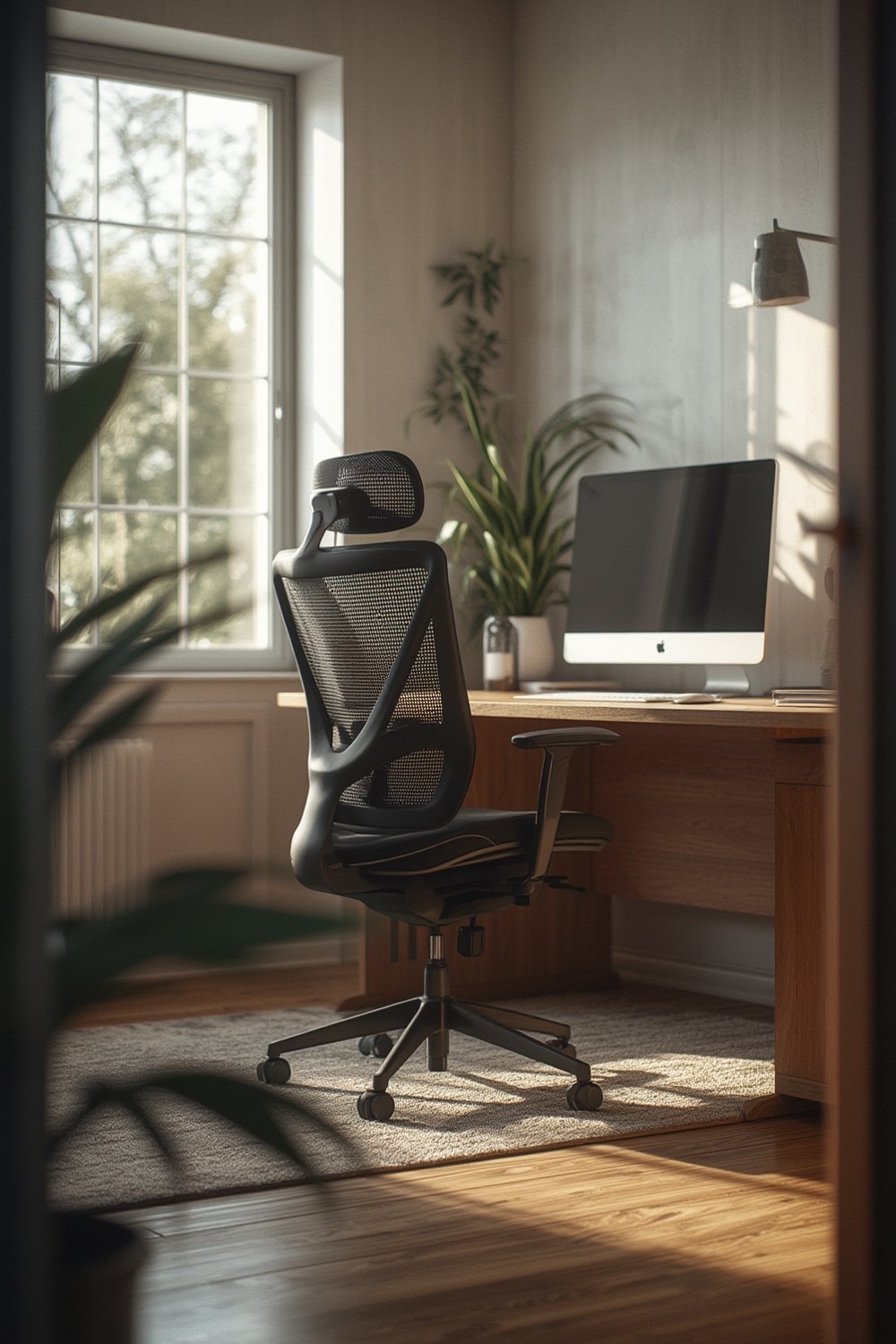
According to recent Amazon market trends, buyers now prioritize mesh chairs because they are cooler, more breathable, and stay comfortable for long hours. Having a high back and an adjustable lumbar cushion helps distribute your weight and minimizes back strain. However, not all “ergonomic” models are equal—some offer barely any adjustability, leading to potential discomfort or pain. Knowing the real differences and pitfalls can save you regrets (and returns).
How to Choose and Set Up an Ergonomic Office Chair with Lumbar
Selecting and configuring your ergonomic office chair lumbar support isn’t a one-size-fits-all process. Here’s what you need to do for best results:
-
Check Adjustability: Look for chairs with multiple adjustment points—seat height, back tilt, depth, armrests, and lumbar support direction/height. If your setup varies from day to day, make sure you can adapt quickly.
For example: The chair featured in our Ergonomic Chair: 7 Ultimate Steps For The Best Office Comfort In 2026 review includes adjustable lumbar, 3D armrests, and high-density foam for custom support. -
Mind the Mesh: Mesh chairs have exploded in popularity for a reason. They prevent heat buildup and keep you comfortable longer. Still, not all mesh materials are created equal—look for reinforced mesh with soft edges to avoid pressure points on your back or thighs.
Tip: Our affordable mesh chair review deep-dives into which types actually feel best after a full workday. - Position the Lumbar Support: Sit upright with your hips at the back of the seat. Adjust the lumbar pad so it fills the curve of your low back when you’re relaxed. The correct setup should reduce the natural desire to slump forward.
- Optimize for Your Workspace: Make sure the chair fits under your desk and can be paired comfortably with a compact folding computer desk or a classic rectangular workstation. Chairs with high backs can sometimes bump against shelves or monitor arms—double-check measurements.
- Routine Micro-Adjustments: Ergonomics isn’t a “set and forget” process. Shift your lumbar support position slightly throughout the day. This reduces static pressure and boosts circulation.
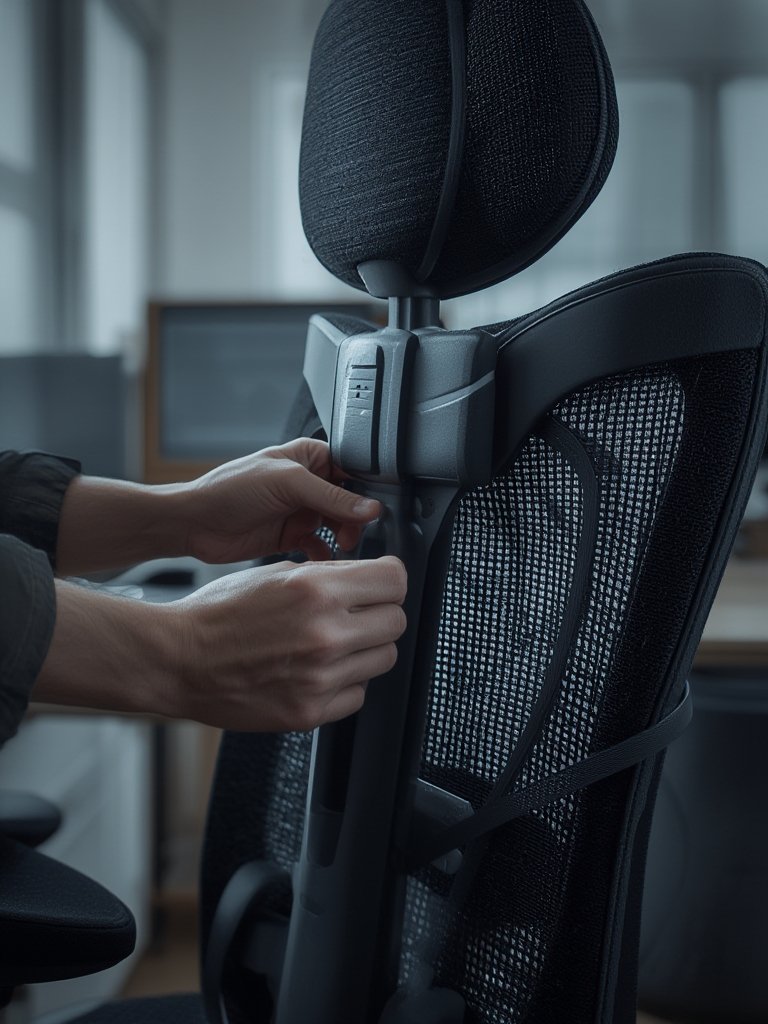
Keep your workspace organized to reduce distractions and support overall comfort. A multi-tier desk organizer not only declutters your space but helps you maintain healthier posture throughout the workday.
Finally, for remote or hybrid workers, pairing your ergonomic chair with proper lighting—like a LED ring light—can make a surprising difference in eye strain and productivity.
Advanced Analysis & Common Pitfalls
Many switch to a high-end ergonomic office chair expecting instant relief—but even top chairs have limitations. Here are the most common pitfalls and advanced issues you should avoid:
| Pitfall | Real-World Impact | How to Avoid |
|---|---|---|
| Insufficient Lumbar Adjustability | Leads to pressure points or ineffective support, especially for taller or petite users. | Check specs for range of lumbar depth and height. Try in person if possible before purchase. |
| Mesh Quality Varies Widely | Cheap mesh may sag with time, reduce support, or even irritate skin. | Look for double-layer or tensioned mesh rated for 5+ years. Find real user feedback, such as on Amazon reviews. |
| No Info on Warranty or Support | Higher chance of regrets if part fails or mesh tears outside the (undisclosed) warranty period. | Always look for at least a 3-year warranty. Consider review articles that track this data and highlight trusted brands. |
| Ignoring Real User Feedback | Marketing claims may not reflect daily reality; user complaints give big clues. | Prioritize chairs with high ratings and verified reviews. Check third-party feedback on Amazon search. |
| One-Size-Fits-All Assumptions | Every body—and every workspace—is different. Chairs that can’t adapt are often returned. | If you share your chair or adjust your desk often, invest in a model with a broad adjustability range and sturdy build. |
Experts and users alike warn that technical specs alone don’t guarantee comfort. Sometimes, a very affordable chair—even as discussed in our compact office chair roundup—outperformers a premium seat due to better fit or real-world adjustability.

Lastly, be mindful of missing features. Some “ergonomic” chairs skip adjustable armrests, a high back for neck support, or true lumbar adjustments—leaving you without the benefits you expect. Always check current user reviews before you commit to a costly chair, and use a versatile storage shelf to improve your workspace ergonomics holistically.
Conclusion
The right ergonomic office chair lumbar support can make or break your daily work experience. Mesh high-back chairs with full adjustability are booming in popularity, but the details—such as individual fit, real user feedback, and warranty—matter most. Don’t settle for vague “ergonomic” promises. Test the settings, read detailed reviews, and always double-check specs before buying.
Ready to upgrade your wellbeing and productivity? Start your search with a genuine focus on ergonomic office chair lumbar fit. Explore models from trusted sources, look for adjustable lumbar and mesh comfort, and aim for real support—your spine will thank you. Take action now for all-day comfort and sustainable health.
Frequently Asked Questions
What is the best position for lumbar support in an ergonomic office chair?
The ideal lumbar support position is in the lower curve of your back, lining up with the natural inward arch. Too high or too low, and it won’t provide real benefit. Adjust until you feel supported while sitting upright with relaxed shoulders.
Are mesh office chairs with lumbar support better than padded chairs?
Mesh chairs offer superior breathability, which keeps you cooler during long sessions. However, some people prefer the “cush” of padded seats. Choose mesh for ventilation and long lasting support; padded chairs may suit those sensitive to firmer surfaces.
How do I know if a chair’s lumbar support is adjustable?
Look for specs mentioning lumbar depth (in/out) and height (up/down) adjustments. If a chair only says “built-in lumbar,” it may not suit all body types. User reviews often point out whether lumbar adjustability is functional or cosmetic only.
Do all ergonomic office chairs come with a warranty?
No. Warranty coverage varies widely. Premium brands like Herman Miller often offer extensive warranties, while budget options may have limited or non-transferable coverage. Always check warranty terms before you buy.