
Building a Home Office Wellness Zone is no longer a luxury—it’s essential for anyone working from home who wants to sustain productivity and sanity. In this step-by-step guide, you’ll learn exactly how to design a practical, personalized wellness area (even if space is tight), avoid common mistakes, and see realistic, tested improvements in your workday.
Key Takeaways
- Setting up a Home Office Wellness Zone can reduce stress, improve focus, and support work-life boundaries—even in small spaces.
- Ergonomics, simple mindfulness practices, and purposeful design all matter more than expensive equipment.
- Common pitfalls include clutter, boundary issues, and lack of commitment to regular wellness breaks.
- What Is a Home Office Wellness Zone?
- Step-by-Step Guide: Build Your Wellness Zone Now
- Advanced Analysis & Common Pitfalls
- Conclusion & Next Steps
- Frequently Asked Questions
What Is a Home Office Wellness Zone?
A Home Office Wellness Zone is a dedicated section of your workspace designed to support your mental, physical, and emotional well-being during work hours. It focuses on simple changes—like adding ergonomic chair furniture, mindful design cues, relaxation corners, or movement breaks—to help you avoid burnout, reduce stress, and increase productivity.
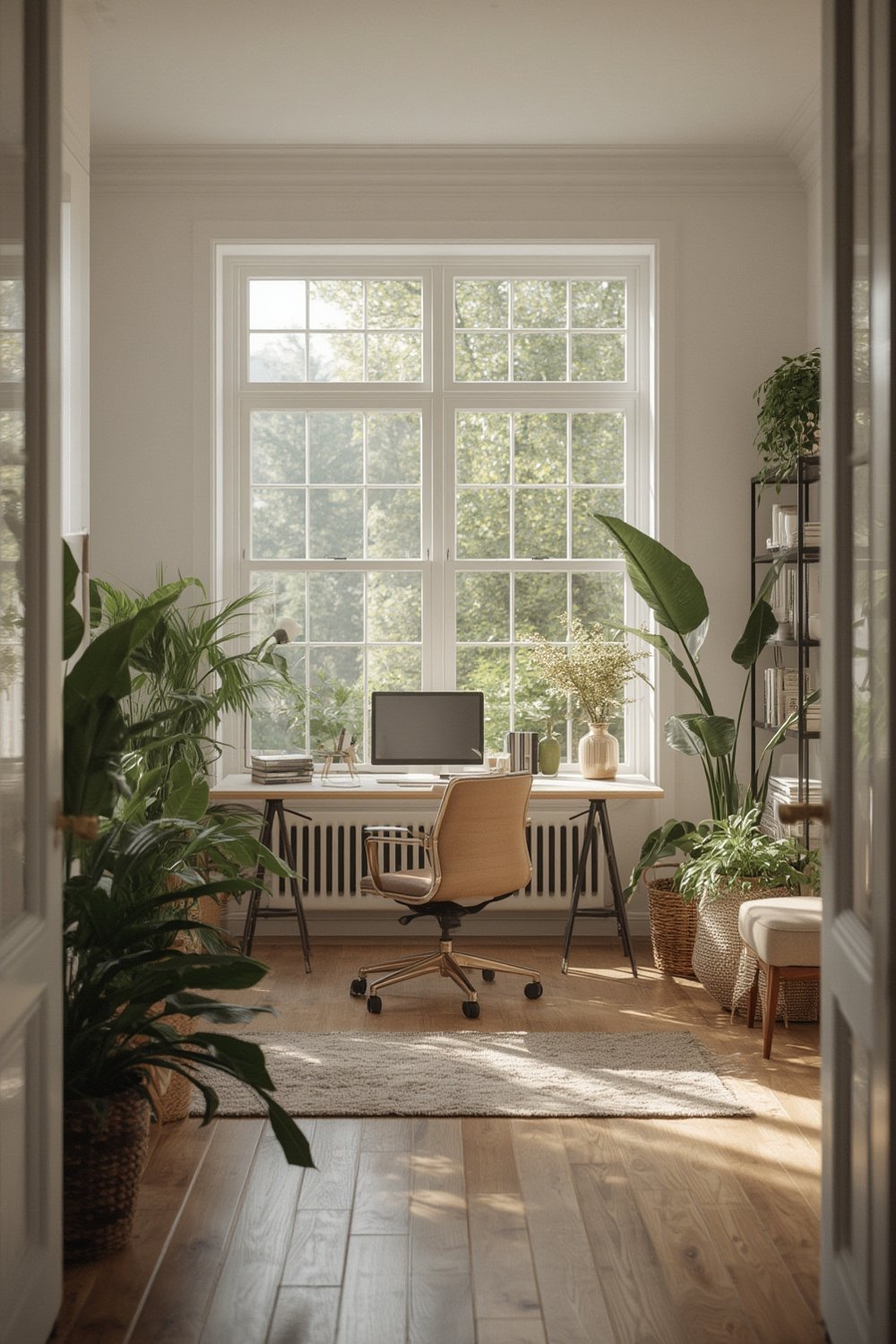
The core idea isn’t fancy gadgets; it’s a practical, repeatable system that evolves with your actual needs. Especially for those in small or shared spaces, your wellness area might be a simple chair swap, a compact desk organizer, or a ritualized meditation moment behind a closed laptop.
Current wellness research highlights the positive impact of work-life boundaries and flexibility on well-being, but it’s up to you to carve out that space—a few minutes a day can make real improvements in energy, focus, and mood.
Real-life benefits? According to Gallup’s 2024 survey, remote workers who set up structured home workspaces report higher work-life balance, engagement, and lower burnout than those who don’t.
Step-by-Step Guide: Build Your Wellness Zone Now
Here’s a streamlined, actionable plan you can use today—no matter the size of your space or your budget.
- 1. Audit Your Space and Set Boundaries
- Sketch your current workspace. Identify even a small area (corner, window, wall) you can claim.
- Consider moveable barriers (screens, curtains, or even a change in rug texture) for quick separation.
- 2. Bring in Ergonomics First
- Switch to an ergonomic chair with lumbar support and adjustable height. Compact mesh chairs are ideal for smaller rooms.
- Elevate your monitor to eye level and invest in an adjustable or folding desk if possible.
- 3. Establish a Relaxation or Meditation Corner
- Designate a clear spot—even a chair facing a window works. No room? Consider a portable mat stored on a shelf.
- Add minimal items: a plant, a candle, or a simple timer. Apps are optional—a recurring phone reminder or a simple chime can cue you for breaks.
- 4. Organize for Mental Clarity
- Declutter using a compact desk organizer or slim storage box. Fewer objects within reach lower mental fatigue.
- If you do video calls or content creation, upgrade your lighting with a foldable ring light for energy and mood boosts, not just looks.
- 5. Plan for Movement and Microbreaks
- Keep a yoga strap, resistance band, or foam roller at arm’s length—store them vertically if possible.
- Use a simple timer (phone or analog) to remind yourself for short stretch breaks every 45-90 minutes. If you have room, a compact cross-legged chair encourages posture shifts.
- 6. Add Mindful and Sleep-Supportive Elements
- If you struggle with transition out of “work mode,” add subtle signals—a small lamp set to warm light for evenings, a diffuser, or even a weighted pillow on your lap during stressful moments. Avoid tech overload; prioritize real cues for winding down.

Advanced Analysis & Common Pitfalls
Many home workers start with big intentions, only to see their wellness zones become cluttered, unused corners. Here’s why that happens—and how to avoid it.
- Boundary Erosion: Without clear separation, work seeps into personal time, especially in smaller or shared living arrangements. This leads to longer hours and more stress.
- Space Constraints: Most remote workers don’t have spare rooms. Trying to replicate corporate wellness lounges in a studio apartment is unrealistic. Adaptation beats aspiration.
- Digital Fatigue: Over-reliance on meditation apps, wellness gadgets, and constant notifications can actually increase digital fatigue. Genuine disconnection is just as important as tech use.
- One-Size-Fits-All Mistakes: Your wellness needs are unique—what works for a team of 50 isn’t always practical for your home.
- Lack of Routine: Even a perfect wellness nook is useless if you don’t schedule breaks or downtime. Self-commitment is the real key.
| Approach | Pros | Potential Pitfalls |
|---|---|---|
| Ergonomic chair + adjustable furniture | Prevents back pain, better posture, supports long-term use | Upfront investment, may not fit all room sizes |
| Designated wellness (meditation/relaxation) corner | Encourages consistent breaks, stress relief | May be difficult to fit in shared or very small spaces |
| Tech-enhanced spaces (apps, smart lighting, timers) | Boosts reminders, supports habit creation | May increase screen fatigue if overused |
| Minimal zone—just decluttered, dedicated chair and plant | Low cost, works everywhere | Requires self-motivation, easier to neglect boundaries |
Research confirms that organizations report increased employee engagement, job satisfaction and productivity from wellness support; still, the real results come from individual adaptation. Physical space matters, but so do boundaries and consistent use.
Ergonomics should remain central: a comfortable, adjustable chair—like these high-back mesh office chairs—can transform your daily well-being with less investment than you think.
On the tech side, don’t overcomplicate things. A simple analog timer or ritual (breathing exercise, music, or stretching) often delivers bigger mental benefits than yet another wellness app.
Conclusion & Next Steps
A Home Office Wellness Zone is achievable for anyone—no matter where you live or how much you spend. Focus on personalized, practical changes: ergonomic seating, clutter-free spaces, genuine relaxation cues, and clear routines. Embrace realistic boundaries (physical and digital) for real improvement.
Start today: pick one step, add it to your daily workflow, and check back in two weeks—you’ll feel the difference in productivity, energy, and well-being. Ready to improve your Home Office Wellness Zone and take control of your workday? Act now by applying at least one step from this guide.
Frequently Asked Questions
Do I need a dedicated room for a Home Office Wellness Zone?
No. Even a corner of your current workspace with an ergonomic chair, small plant, or relaxation cushion can be enough. The goal is a consistent, defined area—even if it’s just a well-arranged chair and side table.
What’s the most important investment if I’m on a tight budget?
An ergonomic chair or seat cushion makes the biggest difference for most people. Next, declutter your area with a compact desk organizer—mental clarity starts with physical order.
How often should I use my wellness zone during the workday?
Set a reminder for a microbreak every hour if possible—even a 3-5 minute break to stand, breathe, or stretch can reduce stress and maintain focus for long remote work days.
Do wellness apps or tech gadgets help, or are they distracting?
Too many gadgets can add to digital fatigue. Start with simple, analog tools like timers or a soft lamp. Use apps only if they fit seamlessly with your routine and don’t create extra noise.
How do I create work-life balance if others share my home workspace?
Physical cues (like a folding screen, change in lighting, or music) signal when you’re “on” or “off” duty. Agree on signals with housemates or family, and schedule wellness time that everyone respects—even five minutes matter.