
Minimalist Zen Home Office design isn’t just another workspace trend—it’s a practical way to create calm, encourage focus, and make the most of even the smallest rooms. If you want a workspace that’s clutter free, visually relaxing, and suited to regular work or creative bursts, this guide breaks down key techniques and solutions based on current best practices.
Key Takeaways
- Minimalist Zen offices rely on essential items, natural light, and accessible storage to maximize both calm and efficiency.
- Hidden challenges include habit changes, maintaining order in shared spaces, and sourcing truly ergonomic, sustainable furniture.
- Smart upgrades—like functional storage, mindful layouts, and small-scope aromatherapy—can quickly boost comfort and focus.
The Core Concept
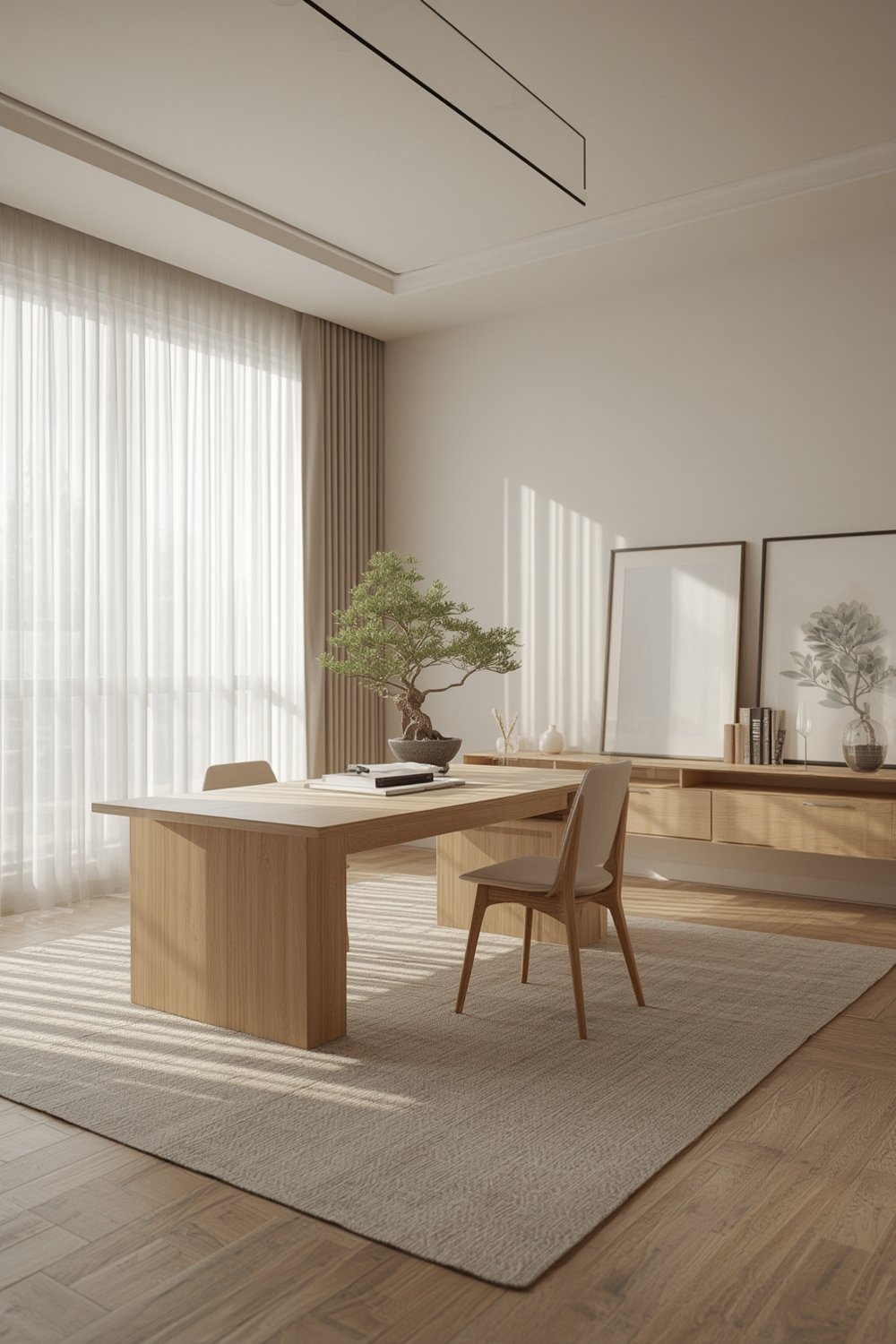
Minimalist Zen Home Offices combine the visual clarity of minimalism with the calming principles of Zen. The goal is not cold emptiness but a space carefully edited for mental clarity. Every item is intentional, surfaces remain open, and materials—like light wood or bamboo—keep things warm but uncluttered.
This approach isn’t about strict aesthetics. It’s about function: fewer distractions, less stress, and easy cleanups. Ideas like placing only task-essential items on your desk and stowing away the rest (source), as well as drawing on floating shelving and functional storage, are keys to success.
Blending Scandinavian and Japanese influences, this style puts an emphasis on natural light, high-quality air, and minimal sounds—a place to work, reflect, and reboot.
Step-by-Step Guide
Ready to design your own Minimalist Zen Home Office? Use these practical steps to achieve a look that’s beautiful and genuinely productive.
-
Choose Functional Minimal Furniture
Opt for a compact folding desk or a clean-lined table. Prioritize desks with built-in storage or open cubbies to reduce surface clutter. -
Invest in Adjustable Ergonomic Seating
Pick a chair with good lumbar support and breathable mesh. Models like the ergonomic office chair offer comfort for long work hours while blending into a minimalist scheme. -
Use Vertical and Hidden Storage
Install shelves above your desk or use a 3-tier open bookshelf. Drawer units and concealed bins under the desk keep everyday tools accessible, but out of sight. -
Maintain Only Workspace Essentials
Follow the “one-task focus” principle—your desk should only hold what’s needed for your current task (source). Keep pens, a pad, a lamp, and your tech—everything else is stored away. -
Enhance Ambience With Lighting and Air
Use a ring light or adjustable task lamp for gentle, shadow-free light (try this foldable ring light). Open a window when possible and consider a discreet air purifier. Fresh air can improve focus and relaxation. -
Mindful Accents—But Don’t Overdo
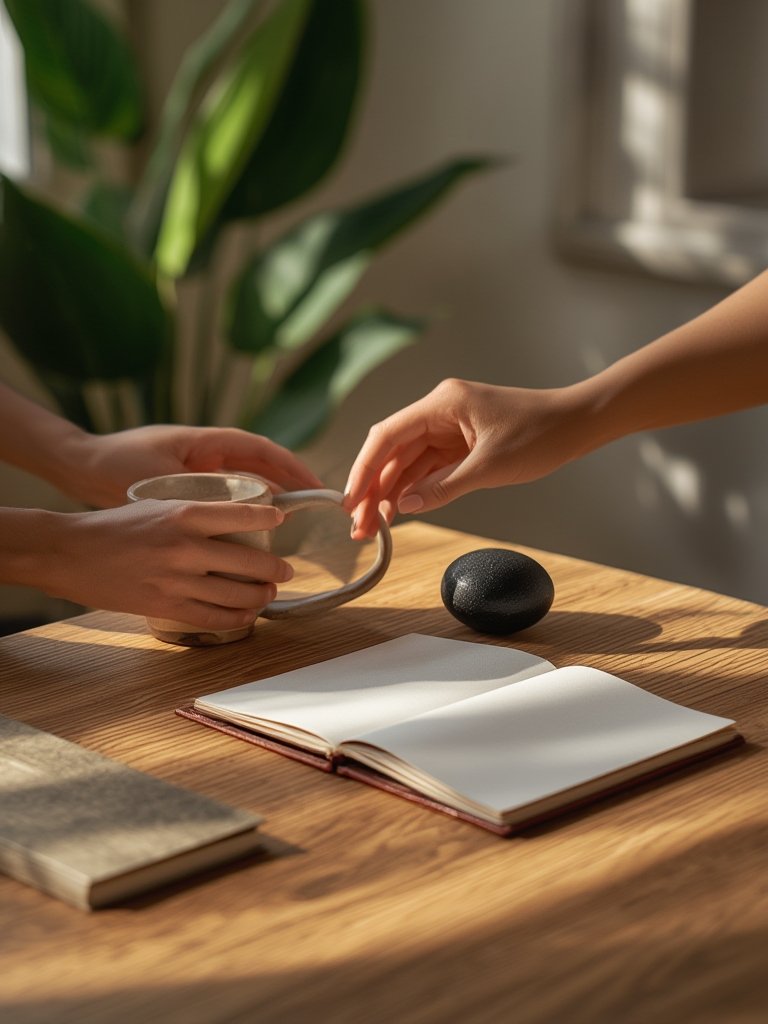
Add one plant or a bamboo accent, and if you enjoy fragrance, choose a small aroma diffuser with natural oils. Minimalist Zen is about simplicity—limit decorative pieces to prevent visual noise. -
Create a “Leaving Ritual”
End each session with a 5-minute tidy-up: clear the desk, put away stray items in your organizer, and close your work with a calming breath or a stretch. Routine seals order and reduces future cleanup.
Looking for more workspace comfort upgrades? For small or student setups, a compact ergonomic chair helps maintain a streamlined layout.
Advanced Analysis & Common Pitfalls
While a Minimalist Zen Home Office promises focus and calm, it’s not always smooth sailing. Here are real issues and mismatches you might face—along with overlooked details that matter.
Habit & Transition Roadblocks
- Clutter Returns Quickly: Daily habits can undo your progress in a clutter free workspace. Without a routine (see “Leaving Ritual” above), surfaces fill up fast.
- Hidden Storage = Procrastination: Drawers and bins often become “out of sight, out of mind,” inviting hidden mess. Make decluttering a weekly ritual.
- Family & Shared Spaces: Maintaining a minimalist zone is tough where kids, partners, or pets circulate. Consider location, physical barriers (a shelf, screen, or low partition), and label storage clearly.
Choosing the Right Gear
- Lack of Adjustable Furniture: Not all so-called minimalist furniture is ergonomic. Invest in a high quality ergonomic chair with real adjustability and back support.
- Misleading “Minimalist” Storage: Some organizers are just style over substance. Opt for proven, reviewed products, like a 4-tier desk organizer for both style and true capacity.
- Budget Pitfalls: Minimal yet high-quality Scandinavian or Zen furniture can be pricey. Consider modular pieces or secondary markets if needed.
Overlooked Design Details
- Air Quality: A stuffy, poorly ventilated office undermines Zen focus. Use operable windows, fans, or a recommended HEPA air purifier (like this model). Clean air aids mental clarity—even more so if you share your space with pets.
- Aromatherapy & Mindfulness: For aromatherapy, choose diffusers with auto-shutoff and use only pure essential oils (find safety-certified oils here). Start with just a few drops to prevent overwhelming smells. Mindfulness can be as simple as setting a clock for 5 minute breaks: breathe, stretch, or just look out the window.
- Sustainability: Many “natural” items lack eco-certification. Look for FSC or PEFC certification, or shop reclaimed-wood options eco-labeled on Amazon.
Japanese Zen vs. Scandinavian Minimalism
| Aspect | Japanese Zen | Scandinavian Minimalism |
|---|---|---|
| Philosophy | Wabi-sabi (imperfect beauty, empty space, stillness) | Hygge (coziness, warmth, simplicity) |
| Materials | Bamboo, soft woods, stones, rice paper | Light woods, pale textiles, ceramics |
| Color Palette | Earthy neutrals, greens, browns, off-white | White, light gray, muted pastels, pale wood |
| Arrangement | Open spaces, floor seating optional, asymmetry | Functional layouts, accessibility, soft lines |
| Lighting | Natural light, lanterns, shoji screens | Natural + task lighting, uncluttered lamps |
Conclusion
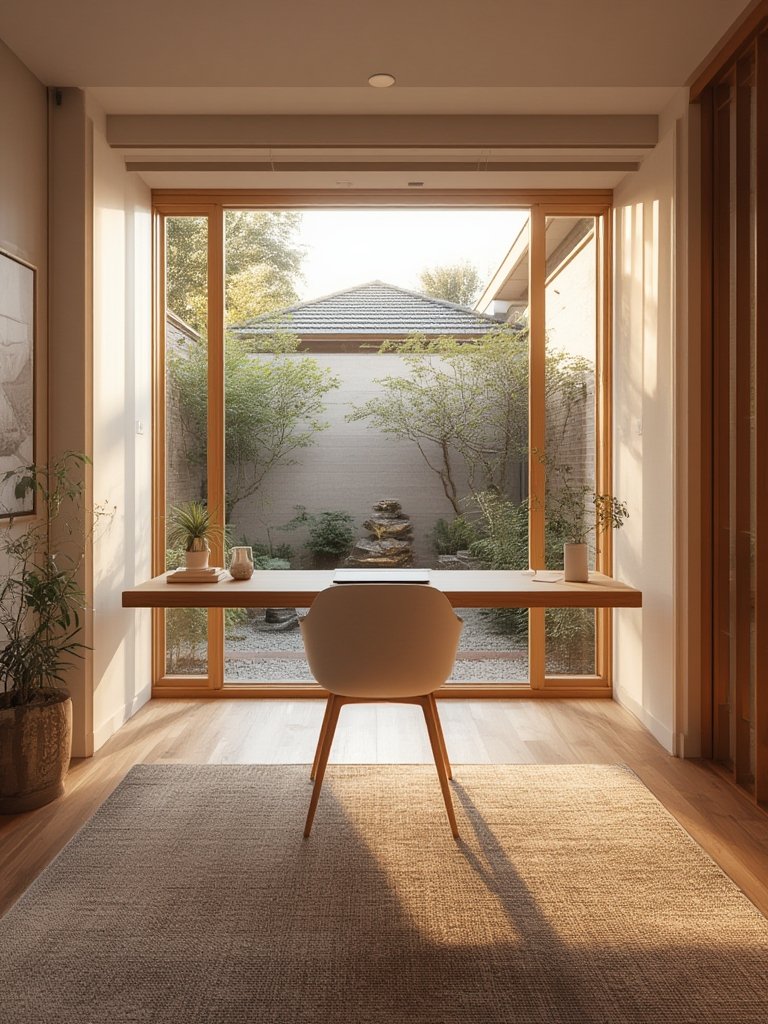
Setting up a Minimalist Zen Home Office is about editing—not emptying—your workspace. Focus on functional furniture, easy-access storage, and sensory details like clear air and gentle lighting. Expect the biggest challenge to be keeping old habits at bay, especially in a busy household. Use the principles and tools highlighted here, and you’ll create a workspace that’s functional, healthy, and visually calming. Ready to design your own Minimalist Zen Home Office? Start by removing the unnecessary and make intentional choices—then enjoy the benefits each workday.
For more workspace accessory ideas or reviews, see our guides on the 3-tier open bookshelf, ergonomic chair, compact chair, kitsure desk organizer, or folding office desk.
FAQ Section
What is the first step to achieving a Minimalist Zen Home Office?
Clear your existing workspace completely, then add back only those items you truly need for daily tasks. This makes it easier to see what you can store, donate, or discard, and sets your foundation for a minimal, calm setup.
How do I keep my desk clutter free in a shared or high-traffic space?
Use a labeled organizer or drawer for each user, add vertical shelves to maximize wall space, and finish every session with a quick tidy-up. For families, clear rules and visible storage keep order.
Are there affordable minimalist storage solutions?
Yes. Stacking trays, open shelving, and tool-free organizers like the Kitsure desk organizer offer practical storage at a reasonable price. Secondary marketplaces and modular options also fit most budgets.
Does aromatherapy or air purification really help productivity?
Many users report sharper focus and a more relaxing work environment with improved air quality or subtle diffused scents. Use only safety-tested purifiers and essential oils for best results, and always keep windows operable if possible.
What’s the biggest difference between Zen and Scandinavian style offices?
Zen spaces focus on asymmetry, earthy tones, and natural simplicity inspired by Japanese wabi-sabi. Scandinavian styles prioritize light woods, soft lines, and a “hygge” sense of warmth. Both value function and minimalism but apply these values differently.