
### Blog Post:
Motorized Desk Converter solutions are rapidly transforming both home and corporate offices by providing a seamless way to alternate between sitting and standing. In 2024, more professionals are demanding these electric sit-stand risers for their ergonomic benefits and ease of use. However, beneath the hype, several realistic problems and technical nuances deserve your attention before you invest.
Key Takeaways
- The market for motorized desk converters is growing steadily, but price sensitivity and maintenance concerns remain significant buyer barriers.
- Dual motor systems and three-stage height adjustment are key features differentiating top-performing models, especially for multi-monitor setups.
- Product durability, after-sales support, and compatibility are frequently overlooked by buyers and are not fully addressed in most competitor content.
- The Core Concept: What is a Motorized Desk Converter?
- Step-by-Step Guide: Choosing and Using a Motorized Desk Converter
- Advanced Analysis & Common Pitfalls
- Conclusion
- FAQ
The Core Concept: What is a Motorized Desk Converter?
A motorized desk converter is an electric device that sits on top of your regular desk, allowing instant height adjustments at the push of a button. Instead of replacing your desk, you simply upgrade it—making it possible to transition from sitting to standing in seconds. This is a powerful advantage if you want ergonomics without a full office overhaul. The best models offer quiet performance, fast adjustment, and solid stability, especially for those running multiple monitors or heavy accessories.
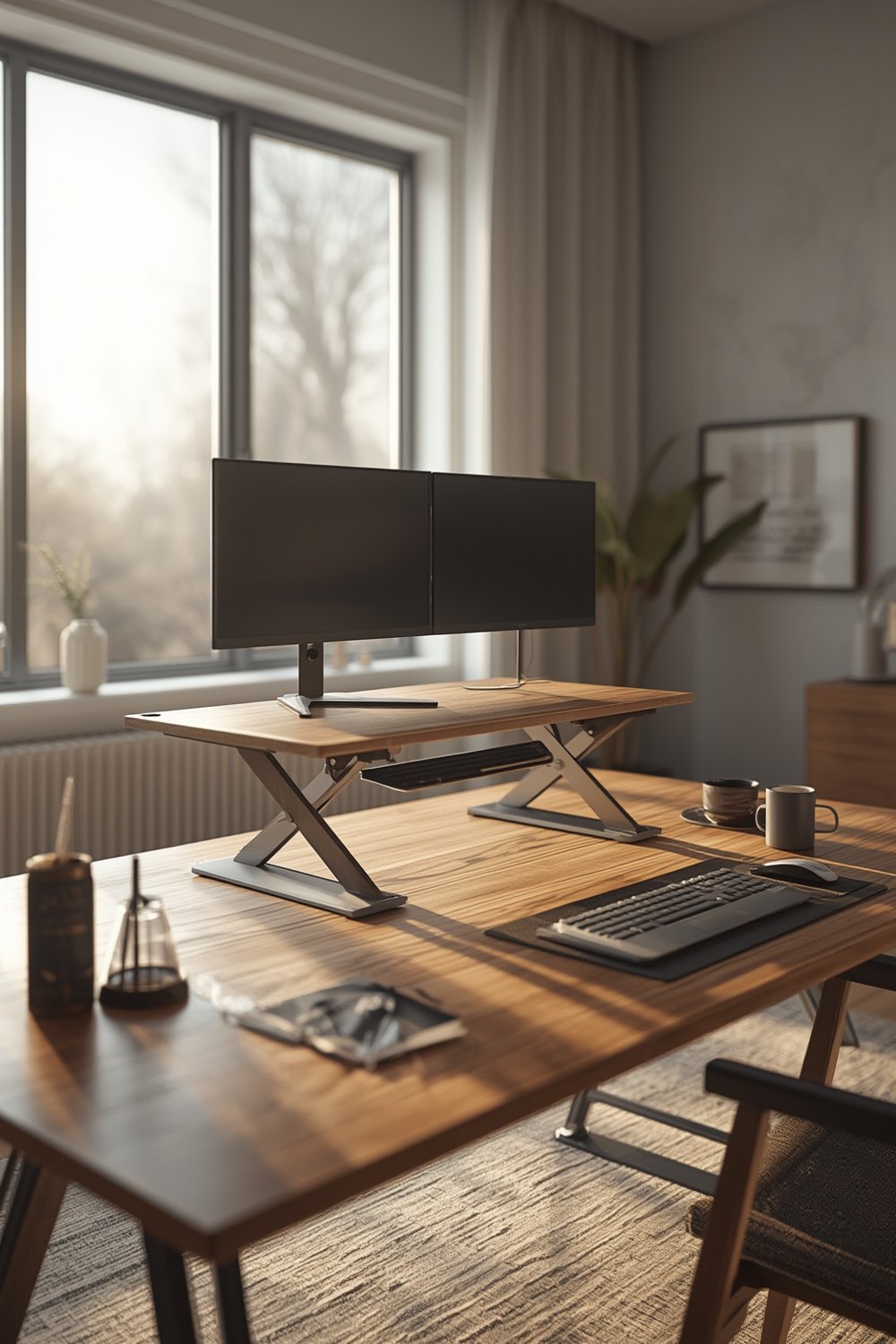
Motorized desk converters have surged in popularity, aligning with a broader shift toward healthier, more flexible workplaces. The global electric standing desk converter market reached $1.48 billion in 2024 and continues growing.[source] Major regions like the US and Europe drive this growth, emphasizing ergonomic adoption and higher standards in corporate wellness.
If you want to maximize your workspace, combining a powered riser with smart accessories—such as a desk organizer—is an easy way to stay tidy and efficient. For very tight areas, a folding desk can create even more flexibility alongside your converter.
Step-by-Step Guide: Choosing and Using a Motorized Desk Converter
Getting the most value from a motorized desk converter requires more than just unboxing and pressing “up.” Here’s a practical, actionable guide to every step:
- Assess Your Workspace NeedsConsider the amount of desk space required, equipment weight, and the type of work you do. dual monitors, speakers, and other heavy gear will need a model with higher capacity.
- Compare Key Technical SpecsDual motor systems offer more power and smoother, quieter movement compared to single-motor models. You’ll also want a three-stage height adjustment for the most ergonomic flexibility.
- Plan for Assembly and CompatibilityMost converters come pre-assembled, but always verify compatibility with your existing desk (depth, width, and finish). Review manuals in advance—sometimes tool-free setup is not as “tool-free” as described.
- Safety and Maintenance ChecksPrioritize units with robust safety stops and overcurrent protection features. Regularly inspect the lift rails for dust or debris, lubricate moving parts when necessary, and keep the desk top clutter-free to avoid jams.
- Integrate With Ergonomic AccessoriesAdd on ergonomic chairs for sitting intervals and use specialized lighting to reduce eye fatigue when switching between positions.
- Understand Limitations and Support PoliciesBefore purchase, research after-sales support, return policy details, and warranty coverage. If you’re operating on a tight budget, look for models with good manufacturer reputation and strong support.
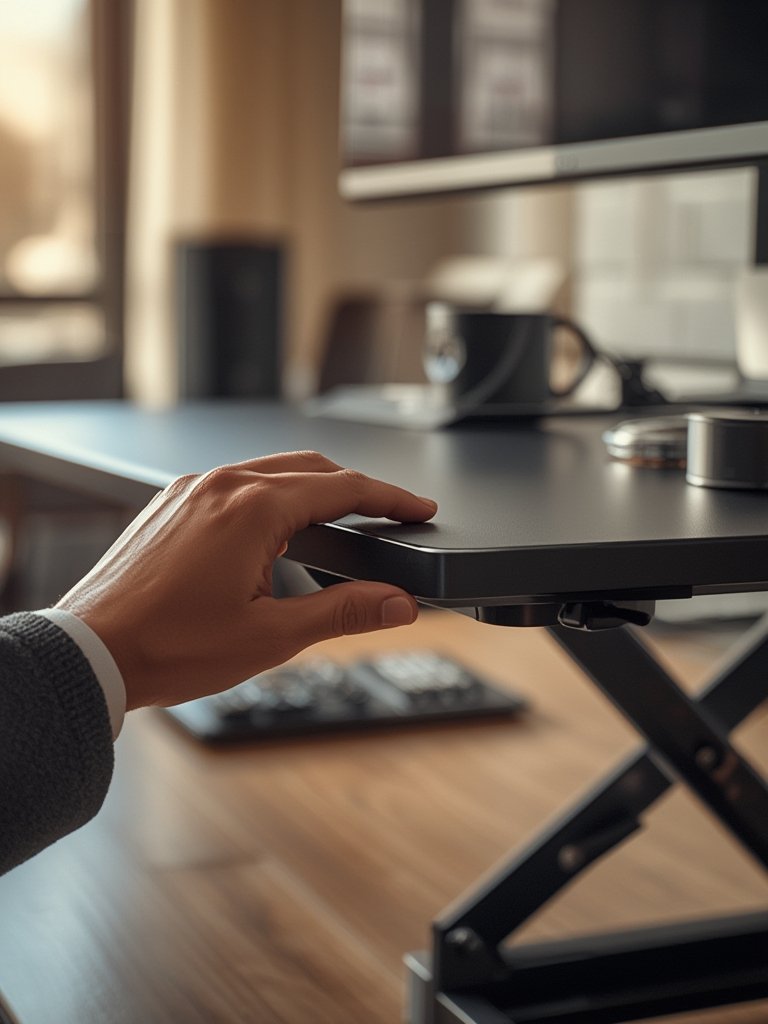
For those with books or materials at arm’s reach, a sturdy bookshelf nearby keeps your workspace clutter-free and easier to adjust between standing and sitting.
Advanced Analysis & Common Pitfalls
Buying a motorized desk converter is more complex than it looks. Here’s a breakdown of the most common issues that can undermine your investment, along with an overview of technical differences between products.
| Feature / Issue | Motorized Desk Converters | Manual Desk Converters |
|---|---|---|
| Ease of Adjustment | One-touch, fast and smooth | Requires manual lifting, not always smooth |
| Weight Capacity | Higher (esp. dual-motor) | Often lower, limited by spring/gas system |
| Maintenance | Needs occasional lubrication and checks | Generally less maintenance |
| Noise | Usually quiet, but can develop sounds over time | Silent unless mechanism is faulty |
| Price | Higher, especially with dual motors | Budget-friendly, but fewer features |
| After-Sales Support | Varies—limited on some brands | Often limited, especially on budget models |
| Durability Concerns | Motor and electronics can fail without proper care | Fewer components to fail |
Frequent Pitfalls to Watch For
- Durability: Users often report issues with motor burnout, jamming, or failure after prolonged use—especially in budget models.
- After-Sales Support: Limited manufacturer support and unclear warranties are a major frustration during breakdowns.
- High Sensitivity to Overloading: Loading with more than rated weight accelerates wear and can void warranties.
- Price Sensitivity: Higher upfront costs often deter buyers, especially compared with manual risers.
- Unclear Compatibility: Not all desk surfaces or edge types are ideal for converters—measure twice before you buy.
For small workspaces or bedrooms, pairing a converter with a cross-legged chair or compact office chair improves comfort and maximizes available space.
The market strongly favors dual-motor and three-stage lift systems for reliability and smoother movement. Yet many users neglect regular maintenance, shortening product lifespan. Be sure to plan periodic cleaning and checks, especially if you operate the converter multiple times per day
Conclusion
Motorized desk converters deliver a highly practical way to embrace ergonomic working habits without replacing your whole workspace. Consider your equipment weight, desired features, and support needs. While electric models offer unmatched convenience and better support for heavy setups, be aware of durability, price, and warranty realities. With the right approach, a Motorized Desk Converter can power your productivity and well-being for years to come. Ready to make the switch? Assess your workspace, research your options, and choose the right motorized riser for your needs.
FAQ
Are motorized desk converters compatible with all desks?
Most models work with standard desks, but always check dimensions and weight limits. Deep or irregularly shaped surfaces may not offer enough stability.
What are the main differences between dual and single motor desk converters?
Dual motor converters offer higher weight capacity, smoother and quieter operation, and better longevity. They are better for setups with multiple monitors or heavier items.
How much maintenance do motorized desk converters require?
Expect to inspect moving parts and electronics every 3-6 months. Remove dust, lubricate rails if needed, and periodically check cable connections for wear.
Is after-sales support important when buying a desk converter?
Yes, as repairs or troubleshooting for motor/electronic issues often require manufacturer intervention. Opt for brands with strong support and clear warranties.
Why are electric converters more expensive than manual ones?
Electric models have motors, advanced electronics, and more robust construction. Dual motor and multi-stage lifts increase the price, delivering more convenience and capacity.
—