
Multifunctional Home Office Space is reshaping the modern home environment as more people demand efficient ways to work, relax, and host guests without sacrificing function—especially in tight urban apartments. Whether you’re turning a spare room into a dual-use study or searching for clever furniture that adapts throughout the day, the right setup can make work-from-home easier and minimize daily stress.
Key Takeaways
- Demand for multifunctional home office spaces is climbing fast due to more remote and hybrid work and smaller urban apartments, with the market projected to surpass USD 53 billion by 2032.
- Choosing the right convertible furniture—like folding desks, Murphy beds, and compact storage—can maximize comfort and flexibility without losing style.
- Ignoring workflow, privacy, or ergonomics can lead to common pitfalls such as distraction, discomfort, and workspace chaos—proper planning is essential for success.
- The Core Concept: What Is a Multifunctional Home Office Space?
- Step-by-Step Guide: Designing Your Multifunctional Home Office Space
- Advanced Analysis & Common Pitfalls
- Conclusion
- FAQ
The Core Concept: What Is a Multifunctional Home Office Space?
A multifunctional home office space is more than just a desk—it’s a flexible room, corner, or zone that performs double (or even triple) duty. In cities where square footage is at a premium and apartments are shrinking by nearly 10% over the past decade, the need for space-saving solutions is urgent. From fold-away desks and Murphy beds with integrated desks to smart storage and modular seating, today’s home offices are carefully planned to serve as guest rooms, creative studios, or cozy retreats.
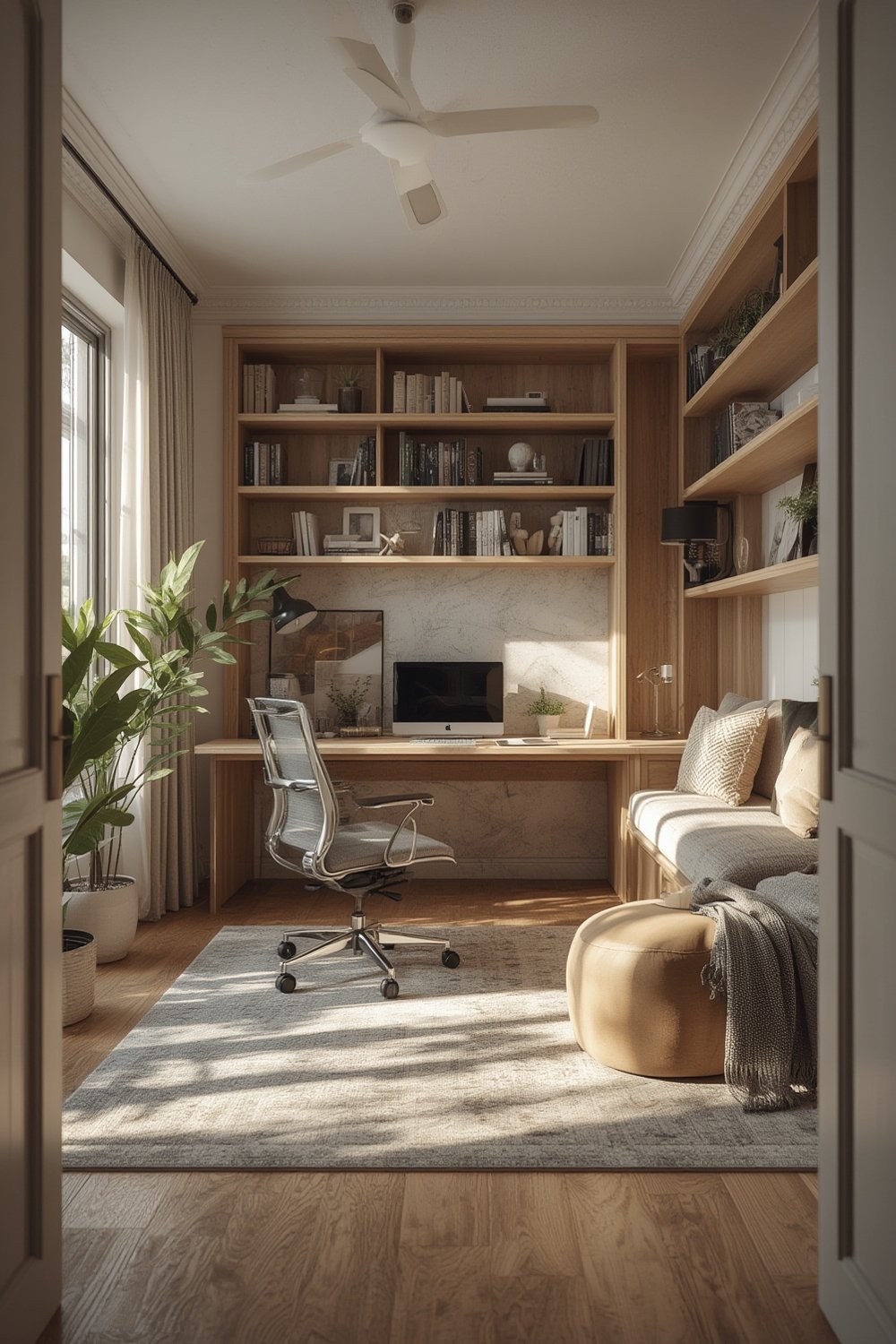
Statistics point to this trend’s rapid growth. The global multifunctional home office furniture market reached $30.3 billion in 2024 and is expected to soar past $53 billion by 2032. With more than 30% of the workforce now working remotely and a striking 77% of home design survey respondents ranking multifunctional workspaces as a top trend, it’s clear that city dwellers and families everywhere are rethinking how—and where—they work.
The right home office solution balances privacy, comfort, and adaptable design. If you’re looking to transform your space, you’ll need to carefully evaluate not only style, but also technical requirements, cost, and daily routines.
Step-by-Step Guide: Designing Your Multifunctional Home Office Space
Efficient multifunctional design starts with honest assessment and ends with smart, practical choices. Here’s how to build a space that works for work, guests, and life:
- Measure and Plan: List your essential activities—work tasks, hobbies, guest stays. Sketch your room and mark must-keep items. Measure available space to ensure new furniture fits.
- Select Multi-Use Furniture: Choose a folding computer desk if you need a workspace that easily stores away. folding computer desk if you need a workspace that easily stores away. Murphy beds with integrated desks maximize sleeping and working space. Consider mobile cabinets or under-desk drawers to stow supplies—the Kitsure Desk Organizer can help maintain daily order.
- Lighting Matters: Natural light boosts mood and productivity. If you lack windows, add adjustable LED ring lights like this foldable ring light for video calls and focused work.
- Define Zones: Use rugs, bookshelves such as the VASAGLE CUSTOS 3-Tier Bookcase, or portable screens to visually separate your workspace from sleep or leisure areas. This reduces visual clutter and helps set a work-friendly mentality.
- Ergonomics First: Prioritize a supportive chair. A compact ergonomic office chair can offer comfort without overwhelming the room. Adjust desk height and monitor placement to avoid neck and eye strain.
- Power and Connectivity: Place power strips, charge stations, and hidden cable organizers behind your work zone. Use WiFi extenders if signal is weak in your chosen space.
- Test and Adjust: Live and work in your setup for a week, then tweak. Small changes—moving your desk, changing your chair height, adjusting lighting—can have big impacts.
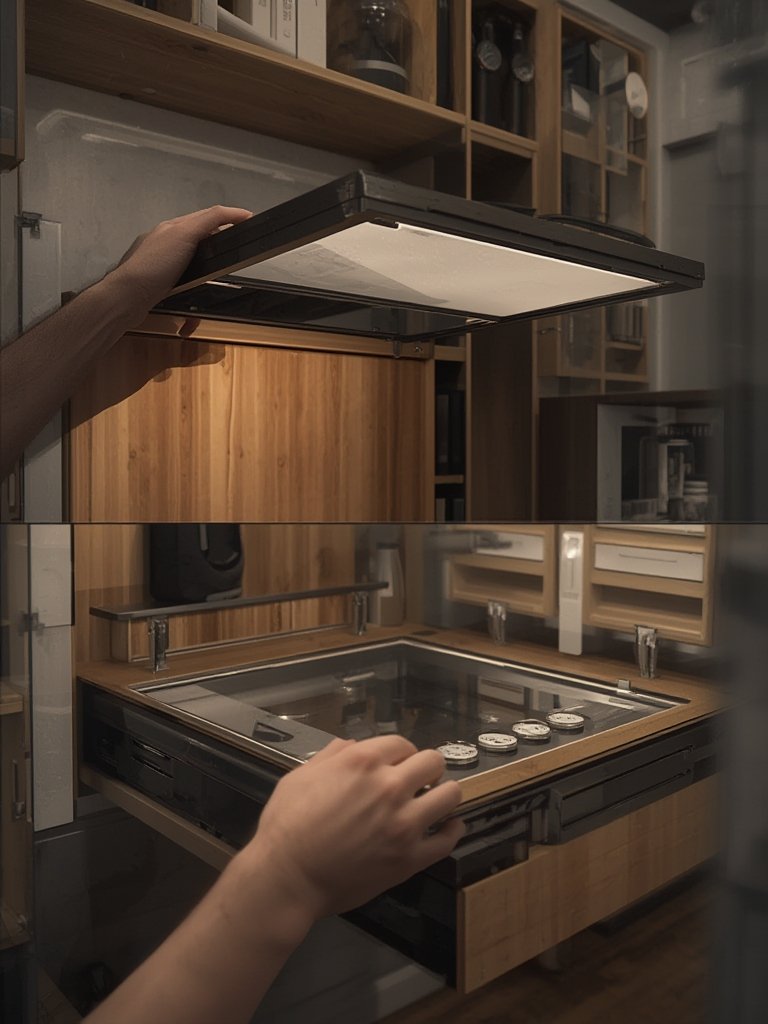
If your office doubles as a guest room, invest in a Murphy bed or sofa bed with a simple locking mechanism, check weight limits, and ensure there’s enough clearance to fold furniture in and out. Leave at least 24 inches of walkway even when everything is set up.
Finally, keep adaptiveness front and center. Rolling carts, folding dividers, and modular systems can flex as your life changes, giving your space longevity and utility for years ahead.
Advanced Analysis & Common Pitfalls
Innovative as these setups are, there are pitfalls to avoid. Based on recent research and real user experiences:
- Privacy & Distraction: Open layouts or rooms with glass doors can lead to constant interruptions and poor focus. Soundproofing panels, blackout curtains, or a sliding door help.
- Comfort & Ergonomics: Cheap fold-away desks and chairs may look good but often lack support. This can lead to posture problems or aches. Look for ergonomic chair certifications and adjustable features.
- Workflow Disruption: Frequent shifting—having to pack away your workspace each night for guest use—can interrupt work rhythms, lose paperwork, or damage tech. Prioritize systems that require minimal daily reset.
-
Space Shortfalls: Underestimating the real amount of space needed to deploy a Murphy bed or extend a desk is surprisingly common. Check minimum clearances:
- Wall bed: At least 6.5 feet of length when open
- Folding desk: 3 feet width minimum
- Guest seating: 18 inches clearance behind chairs
- Budget Overruns: High-end multifunctional furniture often comes with steep prices and long wait times. Factor in delivery, setup, and possible custom installation costs.
| Brand | Durability | Warranty | Customization |
|---|---|---|---|
| Herman Miller | High (BIFMA certified) | 12 years | Extensive |
| Steelcase | High | Up to 12 years | Wide selection |
| Poltrona Frau S.p.A. | Very High | 10 years | Bespoke options |
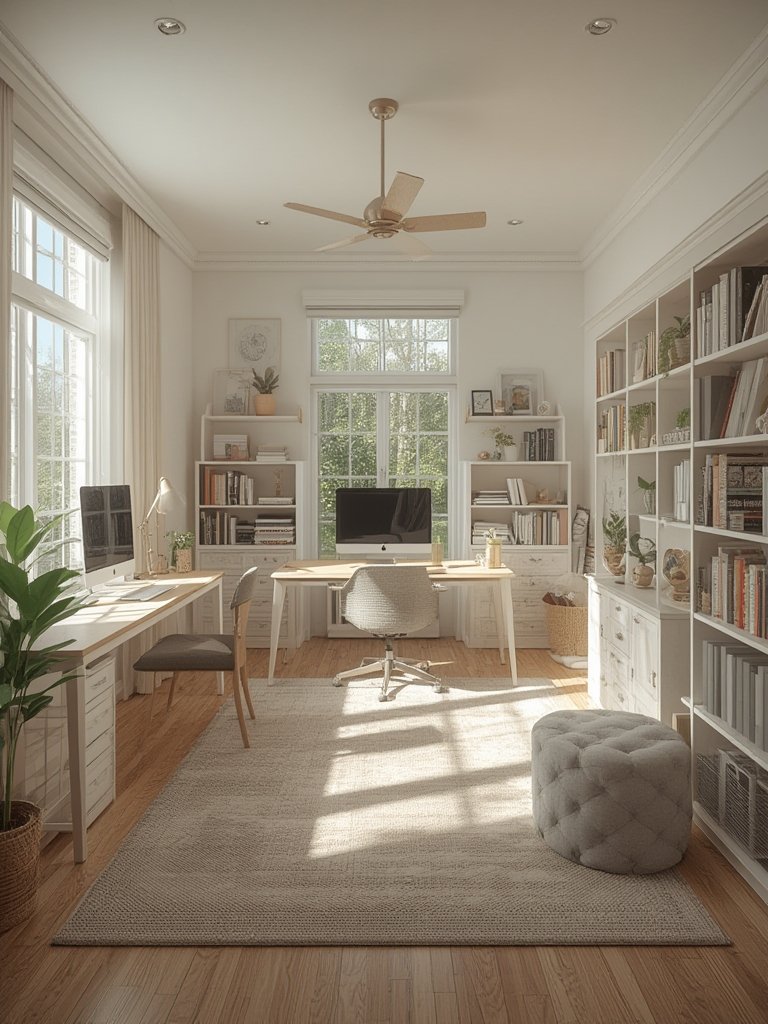
Remember: not all brands share transparent reviews, so seek out hands-on experiences, especially with transforming beds or desks. Features like DIY assembly and tool-free designs (like with this 4-tier desk organizer) help avoid painful surprises.
Conclusion
Embracing a multifunctional home office space isn’t just about furniture—it requires understanding your routines, investing in robust ergonomic solutions, and being realistic about daily use and maintenance. As the landscape of work and living continues to blur, the right choices today set you up for both productivity and hospitality tomorrow. If you’re starting your journey to an efficient Multifunctional Home Office Space, prioritize adaptability, keep ergonomics front and center, and don’t be afraid to tweak your setup as you go. Want more tips or product guides? Explore our reviews or reach out for personalized advice!
FAQ
What is the minimum space required for a Murphy bed desk combo?
Plan for at least 6.5 feet of length for the bed when open, plus 3 feet of width for desk clearance. You’ll also need room for walking and for any storage units you add.
Are multifunctional furniture pieces durable enough for daily office use?
Reputable brands such as Herman Miller and Steelcase offer high durability and extensive warranties. Cheaper models may wear out faster—choose quality components when possible, especially for items you’ll use heavily.
How can I reduce clutter in a small home office?
Use wall-mounted or under-desk organizers. The Kitsure Desk Organizer is a good example for efficient storage. Cables and supplies should be hidden wherever possible to maintain focus and flow.
Can I create separate work and relaxation zones in a single room?
Yes, zoning is key. Use rugs, bookshelves like the VASAGLE CUSTOS Bookcase, or portable screens to visually break up a room.
What are top complaints about transforming furniture?
Common grievances include shaky desks, difficult assemblies, insufficient instructions, and unreliable locking mechanisms. Always check weight capacity, read reviews, and test furniture before committing.
—