
Sustainable Home Office Furniture is rapidly changing the way we design and equip our workspaces at home. It’s about smarter material choices, better indoor air, and supporting the kind of future you want—even if your budget is tight or your office is compact.
Key Takeaways
- US demand for sustainable home office furniture is soaring—eco-friendly desks and materials like bamboo and reclaimed wood are growing fastest.
- Choosing certified, carbon-neutral furniture isn’t just a trend: it supports cleaner indoor air and reduces your workspace’s carbon footprint.
- Durability, repairability, and tool-free maintenance are vital—prioritize certifications like FSC, EPD, and LEED for genuine sustainability.
- The Core Concept: What Makes Home Office Furniture Sustainable?
- Step-by-Step Guide: How to Set Up a Truly Sustainable Home Workspace
- Advanced Analysis & Common Pitfalls
- Conclusion
- Frequently Asked Questions
The Core Concept: What Makes Home Office Furniture Sustainable?
Sustainable home office furniture starts with materials and ends with how those products are used—or eventually recycled. At its core, sustainability in furniture means using renewable or recycled resources, minimizing your purchase’s carbon footprint, and ensuring the product is durable and repairable.
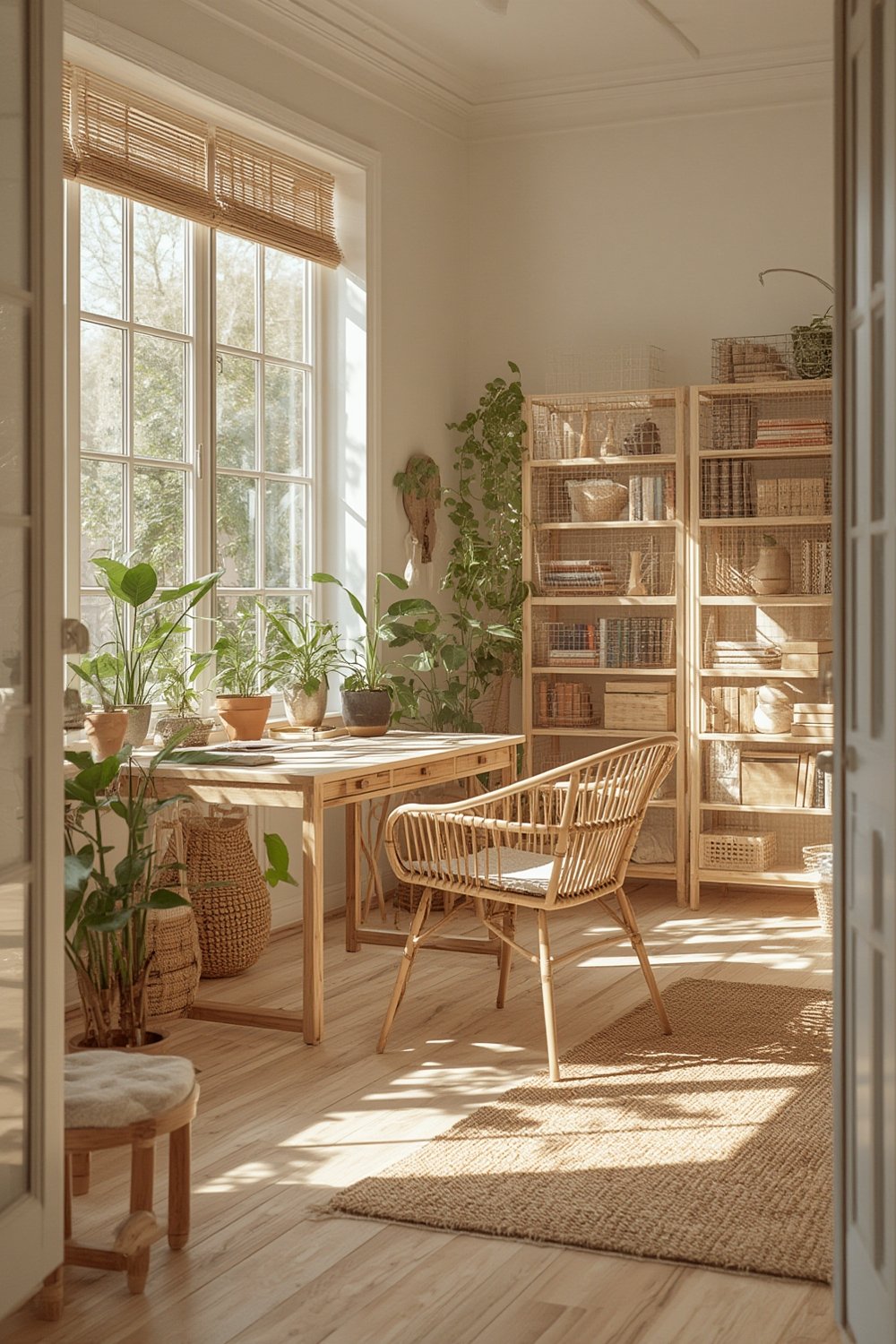
Market data for 2024 shows a surge in demand for eco-friendly office desks, especially those made from bamboo, reclaimed wood, or recycled metals. US consumers alone fueled a near 60% share of the market by preferring residential solutions over traditional office products. Modular desks and compact workspaces that can be easily moved or repaired with simple tools are leading the sector’s growth. (Source)
What makes a desk or chair truly sustainable? Look for renewable options like bamboo with a rapid maturity cycle, bamboo and reclaimed wood certified by the Forest Stewardship Council (FSC), or modular items featuring recycled aluminum. Sustainability also means ensuring that disposal or re-use is considered in the design—something modular, tool-free furniture excels at.
Certifications matter. FSC, Environmental Product Declarations (EPDs), and LEED/WELL all verify that a piece is built with sustainability—not just style—in mind.
Ready for practical steps? The next section guides you through the setup process for a workspace that’s stylish, healthy, and genuinely planet-friendly.
Step-by-Step Guide: How to Set Up a Truly Sustainable Home Workspace
Anyone can buy a bamboo desk, but making your entire workstation sustainable takes a little extra planning. Here’s how to do it right—without falling for greenwashing.
-
Assess your needs and space.
Measure your home office area, taking into account daylight, doors, and plug locations. Compact, foldable desks—like those reviewed in our Flash Furniture Walker Small Rustic Desk review—are ideal for versatile or temporary work setups.
-
Choose your desk for the long haul.
Seek desks made from FSC-certified reclaimed wood, bamboo, or recycled aluminum frames. Check for modularity—can legs or surfaces be replaced or upgraded? Some standing desks include tool-free assembly or repair-ready modules. Skip glued particleboard—these can off-gas formaldehyde and rarely last long.
-
Add sustainable storage solutions.
Instead of plastic bins, opt for open shelving or modular organizers. The Kitsure Desk Organizer offers tool-free assembly and non-slip pads, making it easy to keep your office tidy without resorting to single-use plastic storage.
-
Prioritize seating that lasts and supports posture.
Look for BIFMA-certified ergonomic chairs with mesh or recycled fabrics, like the models in our comprehensive Ergonomic Chair Buyer’s Guide. The more adjustment points, the greater your comfort and longevity.
-
Opt for low-impact lighting and accessories.
Upgrade to LED desk lights that are Energy Star rated, and choose accessories made from metal or recyclable plastic. For content creators, the UBeesize Foldable Ring Light delivers efficient daylight alternatives for video calls and work sessions.
-
Double-check certifications every time.
Labels matter. Confirm FSC, EPD, or LEED tags before purchasing. For foam-based products, ask if bio-based or CertiPUR-US certifications are included. If shopping on Amazon, filter for FSC certified, EPD, or LEED-labeled items for added assurance.
-
Plan for repairability and end-of-life recycling.
Favor furniture lines that offer replacement parts and tool-free fixing, like some modular bookcases or open shelving from the VASAGLE CUSTOS Collection. This extends furniture lifespan by years, keeping waste out of landfills.

Finally, document your purchase: keep receipts and product details for all major items. This protects your investment and ensures you can verify certifications if reselling or recycling in the future.
Advanced Analysis & Common Pitfalls
Sustainable home office furniture now holds a sizable chunk of the market—but pitfalls remain. Here’s where buyers and even well-meaning eco-conscious professionals often go wrong, plus useful comparisons you won’t find elsewhere.
Common Pitfalls in the Search for Sustainable Home Office Furniture
- Greenwashing. Just because a product says “eco-friendly” doesn’t guarantee it’s truly sustainable. Many desks are only partly made of renewable or recycled materials—always look for actual certifications like FSC or EPD.
- Hidden chemicals and off-gassing. Low-cost particleboard or “eco” finishes may emit VOCs (volatile organic compounds). If you’re sensitive to indoor air, stick to solid woods or bamboo certified for low emissions.
- Lack of repair options. Non-modular furniture often breaks or wears out, ending up in landfills. Modular, tool-free repairable products are key—this is where reclaimed wood or recycled aluminum desks stand out.
- No clear cost savings—yet. Direct cost data comparing carbon-neutral vs. conventional furniture isn’t widely available. That means you may pay a slight upfront premium, but studies point to lower costs over years, as durable products outlast cheap ones.
Comparison: Bamboo & Reclaimed Wood Desks vs. Standard Office Desks
| Feature | Bamboo/Reclaimed Wood Desk | Conventional Desk |
|---|---|---|
| Material Source | Rapidly renewable (bamboo), recycled (wood or metal) | Virgin timber, particleboard, plastics |
| Average Lifespan | Variable, often 10+ years with repairs | 5-10 years, usually replaced rather than repaired |
| Repairability | Modular, tool-free fixes often available | Limited, often glued or riveted construction |
| Certifications | FSC, EPD, LEED/WELL possible | Rarely certified |
| Carbon Footprint | Lower, especially with EPD/lighter shipping | Higher, due to materials and manufacturing |
Durability and Maintenance Insights
Bamboo is as strong as steel in compressive strength, according to recent industry reports. Its rapid regrowth and resilience make it stand out, but its lightness also means you’ll need to avoid overloading thin tabletops. Reclaimed wood, by contrast, is tough—sometimes harder than new timber, but check for prior cracks or unfinished spots. With proper finishes and occasional re-oiling, these pieces can outlast many mass-market desks made from particleboard.

Many sustainable desks now incorporate clever assembly or storage upgrades—see our desk organizer review for adding tool-free storage to any workspace without new furniture waste.
Conclusion
The demand for Sustainable Home Office Furniture is real—and so are the environmental and practical benefits. By understanding what makes furniture truly sustainable, shopping with certifications in mind, and insisting on repair-ready, modular solutions, you can transform your workspace into one that supports both you and the planet. Start by identifying what you need, then make small, meaningful changes. Ready to upgrade your home office for a smarter, greener future? Explore our linked product guides and take action today.
Frequently Asked Questions
What makes home office furniture “sustainable”?
Sustainable home office furniture is built with rapidly renewable, recycled, or reclaimed materials (like bamboo or FSC-certified wood), designed for longtime use, and ideally verified by third-party certifications (FSC, EPD, LEED). It’s also made in a way that minimizes emissions and supports recycling or repair at the end of its life.
Do bamboo or reclaimed wood desks last as long as regular desks?
When properly built and finished, bamboo and reclaimed wood desks can easily match or exceed the lifespan of standard particleboard desks. These sustainable options often benefit from modular design, allowing for easier repair and upgrades.
How can I verify that a piece of furniture is truly eco-friendly?
Look for independent certifications: FSC (for wood), EPD (for environmental product claims), and LEED/WELL for complete office fit-outs. Always ask for documentation—real sustainable furniture always comes with proof.
Are there affordable options for sustainable home office furniture?
Yes—look for upcycled or refurbished pieces locally, or modular compact desks and organizers like those in our Flash Furniture Walker Desk review. Buying fewer, higher-quality pieces is often more cost-effective in the long run.
Which accessories should I prioritize for a sustainable workspace?
Choose organizers and lighting with recyclable or bio-based materials. See the Kitsure Desk Organizer for an example of an efficient, tool-free, minimal plastic solution.